





Cybersecurity compliance is the process of adhering to laws, regulations, and standards that govern how organizations must protect digital systems, networks, and data. It often involves implementing security controls, conducting risk assessments, and maintaining an incident response plan.
Requirements vary by industry and may cover specific data types like protected health information (PHI) or apply to sectors under regulations such as HIPAA, FISMA, or PCI DSS. Compliance helps reduce exposure to cyberthreats and avoid penalties for noncompliance.
What you cannot see or control increases compliance risk
Meeting regulatory requirements is nonnegotiable. But the real opportunity lies in making sure compliance efforts also drive greater efficiency, stronger security policy, and elevated data protection across your environment. Read about our detailed approach in “Turn Compliance into a Competitive Advantage with Akamai Security.”
Address cybersecurity compliance with four security pillars
Gain asset visibility across cloud, on-premises, and hybrid environments
Gain visibility into your cloud, on-premises, and hybrid IT environment. Identify in-scope assets and sensitive data. Enforce security policies and monitor continuously to support audit evidence, control access, and reduce compliance blind spots.

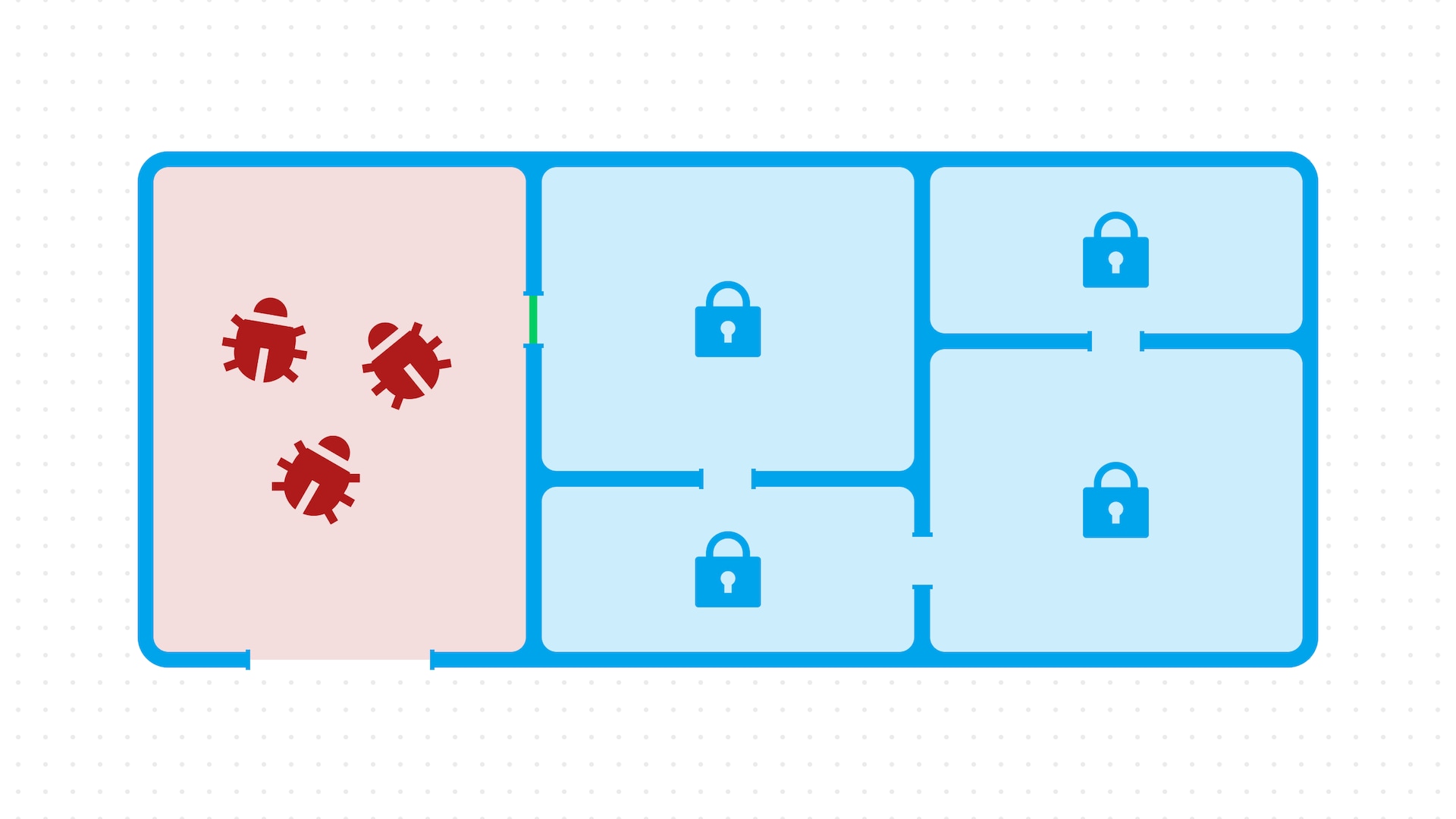
Prevent lateral movement across networks, applications, and APIs
Reduce lateral movement with network microsegmentation that separates systems and sensitive data, limits malware spread, and enforces least-privilege access. Use AI-driven asset labeling and continuous API traffic monitoring to strengthen security, protect sensitive data, and support regulatory compliance.
Enforce Zero Trust access and prevent unauthorized use
Secure access and monitor user behaviors to minimize compliance assurance cycles and compliance risk. Implement granular access control, Zero Trust, and authentication controls that limit data access to only authorized users and processes.

Protect sensitive data and account information with application and API security
Protect sensitive data and account information with application, API, and client-side security. Prevent data loss, leakage, abuse, and fraud while monitoring network traffic and enforcing controls against OWASP Top 10 threats. Maintain audit logs to support compliance and reduce manual effort.

How compliance works
Address a range of compliance demands with one solution set
Akamai’s cybersecurity solutions help organizations address HIPAA, FISMA, DORA, NIS2, PCI DSS, GDPR, and NIST requirements with security controls for asset visibility, access management, network segmentation, API security, and continuous monitoring.
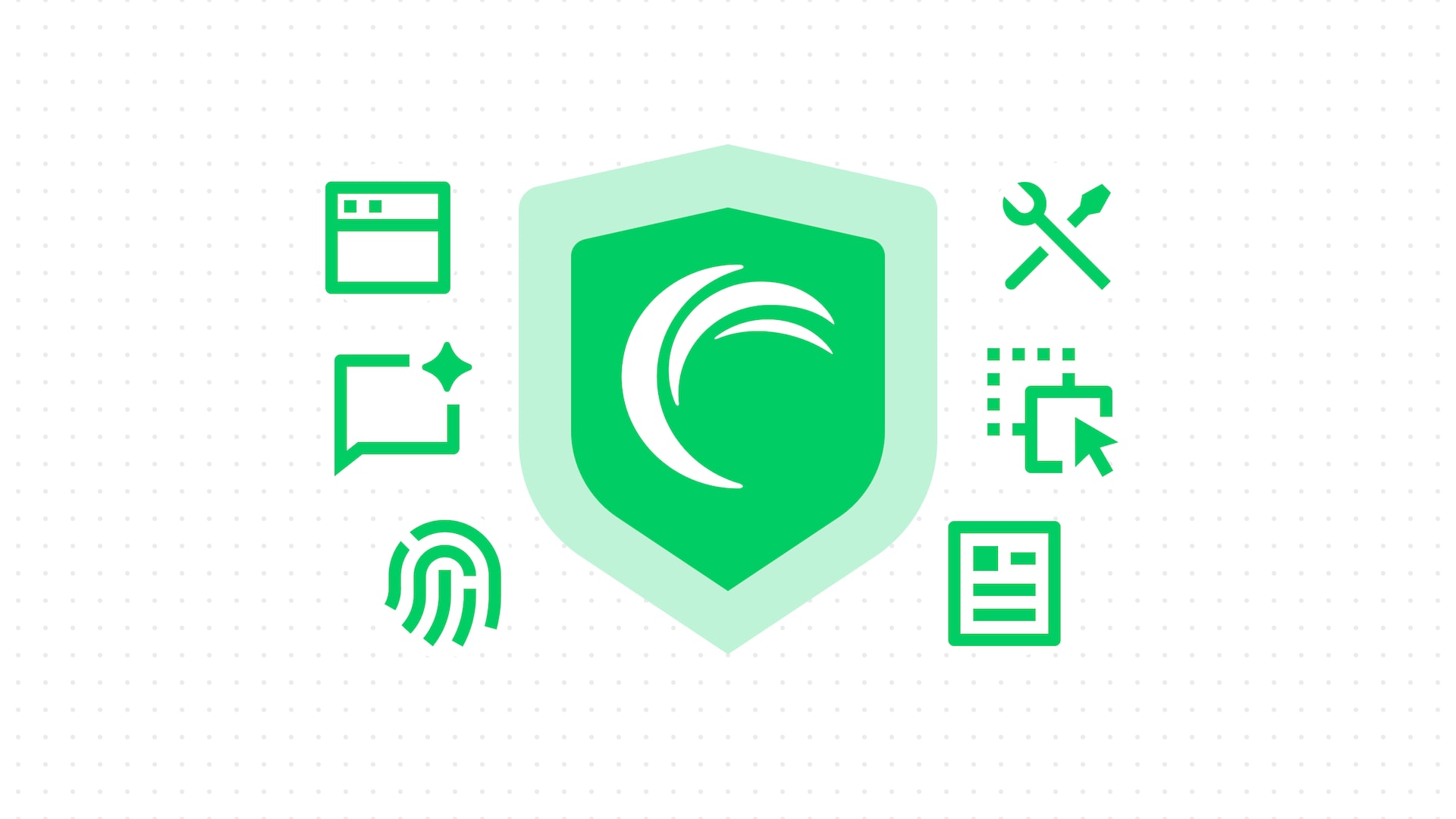
Solutions that help secure applications and ensure compliance
Customer stories
Frequently Asked Questions (FAQ)
Frequently Asked Questions (FAQ)
Cybersecurity compliance requirements vary by region and industry, but several key standards are widely recognized. In the U.S., regulations like HIPAA and FISMA set strict rules for protecting health and federal data.
In the EU, DORA and GDPR govern financial services and personal data privacy. Other global standards such as PCI DSS, ISO 27001, National Institute of Standards and Technology (NIST), SOC 2, and SOX also play critical roles in shaping security compliance frameworks.
A cybersecurity risk assessment is a critical component of your enterprise risk management. Cybersecurity risk assessments help organizations identify vulnerabilities across systems, networks, and applications.
It provides the foundation for implementing appropriate security controls, reducing exposure to cyberthreats, and supporting compliance with regulations like HIPAA, FISMA, and PCI DSS.
The National Institute of Standards and Technology (NIST) is a U.S. government agency responsible for generating cybersecurity guidelines and standards to protect sensitive data and information systems.
Frameworks like NIST SP 800-53 and the NIST Cybersecurity Framework (CSF) help organizations manage risk through security controls, incident response planning, and continuous monitoring. NIST compliance is often required under federal regulations like FISMA, and supports broader efforts to protect against cyberattacks and ensure the security of sensitive data.
Regulations like HIPAA in the U.S. require that providers protect health information by ensuring data confidentiality, integrity, and availability.
This includes maintaining access controls, incident response plans, and risk management procedures to safeguard PHI from breaches or unauthorized use.
Noncompliance with cybersecurity requirements such as the U.S. Federal Information Security Modernization Act (FISMA) can lead to significant risks, including data breaches, regulatory penalties, financial penalties, and loss of public trust.
Without proper risk assessment, security controls, and an incident response plan, organizations are more vulnerable to cyberthreats. For providers handling PHI or federal systems, noncompliance can also disrupt operations and result in the revocation of contracts or certifications.
Regulatory compliance resources

Have questions?
Solving problems is what we live for. Reach out — even if you’re not sure what your next step is. You’ll hear back from an expert today.
1GARTNER® is a registered trademark and service mark, and PEER INSIGHTS™ is a registered trademark of Gartner, Inc. and/or its affiliates in the U.S. and internationally and are used herein with permission. All rights reserved. The GARTNER PEER INSIGHTS CUSTOMERS’ CHOICE badge is a trademark and service mark of Gartner, Inc. and/or its affiliates and is used herein with permission. All rights reserved. Please note that this report was previously known as Gartner Peer Insights ‘Voice of the Customer’: Web Application Firewalls in 2020. Gartner Peer Insights content consists of the opinions of individual end users based on their own experiences, and should not be construed as statements of fact, nor do they represent the views of Gartner or its affiliates. Gartner does not endorse any vendor, product or service depicted in this content nor makes any warranties, expressed or implied, with respect to this content, about its accuracy or completeness, including any warranties of merchantability or fitness for a particular purpose. Review has been edited to account for errors and readability.