Key takeaways
Akamai Security Hub unifies posture scores, prioritized alerts, and benchmarking insights into a single operational interface.
Context-aware benchmarking helps compare live security scores against regional and industry peers to better identify gaps and communicate risks.
You can prioritize strategic action to proactively filter open configuration issues and security concerns, and link directly to remediation workflows to reduce mitigation times.
By blending Web Security Analytics with the AI Assistant you get smarter operational awareness to help your teams shift from reactive log triage to continuous proactive defense.
We’re introducing Akamai Security Hub, a new capability within Akamai Control Center that serves as the operational intelligence layer of Akamai Application Protection Platform (Figure 1). Security Hub brings together posture insights, benchmarking, operational awareness, and prioritized guidance to help you understand your security readiness, focus on the improvements that matter most, and measure progress over time.
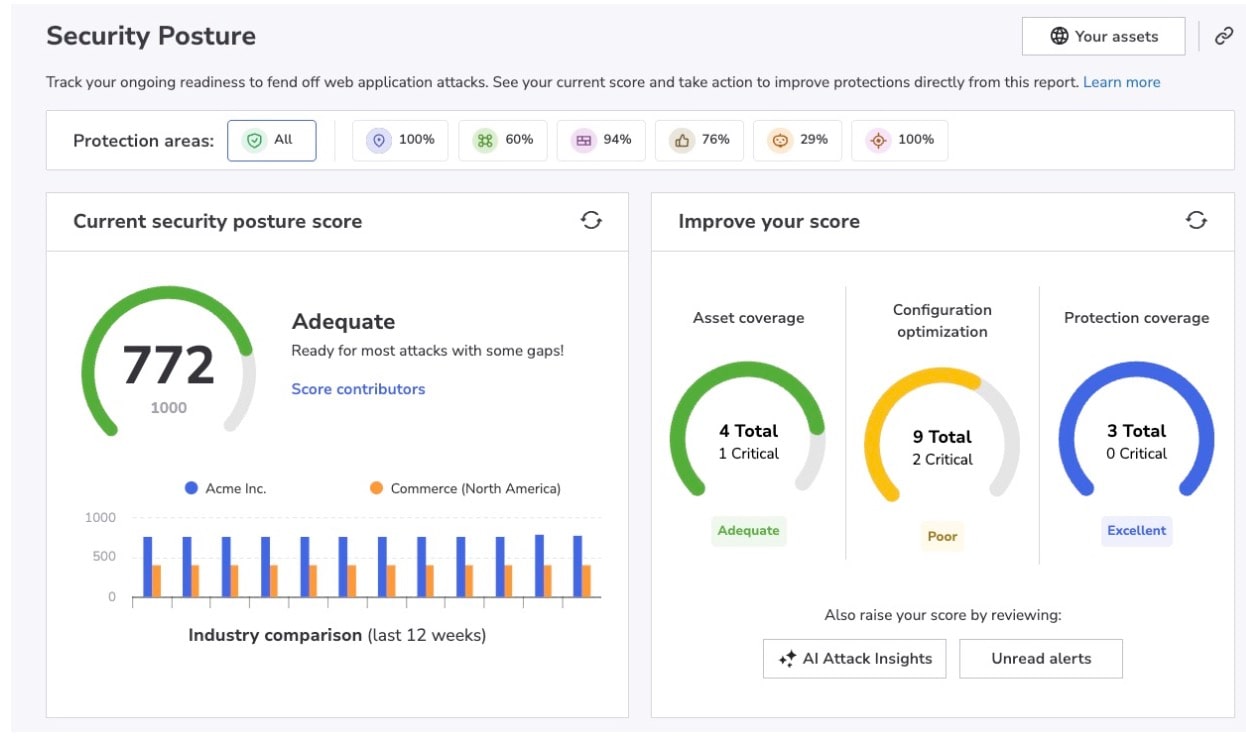 Fig. 1: Open the portal for valuable insights on your security posture and progress on the home screen
Security teams today operate in an environment that would have been difficult to imagine just a few years ago.
Your organization is deploying workloads across hybrid and multicloud environments, and applications have become the primary interface between you and your customers. Increasingly, these applications incorporate AI-driven capabilities, and APIs connect vast ecosystems of services and autonomous agents. .
At the same time, attackers are using automation and AI to discover vulnerabilities, adapt techniques, and launch attacks at machine speed, compressing the time between exposure and exploitation.
To keep pace, organizations have invested heavily in visibility — monitoring application traffic, investigating attack activity, analyzing security events, tracking vulnerabilities, and measuring security gaps across an expanding collection of systems and services. The result is a far richer understanding of the security landscape than ever before.
Yet, more and more, security leaders are asking themselves a different set of questions:
How strong is our overall security posture?
Where should we focus next?
Which improvements will have the greatest impact on reducing risk?
How do we compare to organizations facing similar threats, and how do we demonstrate measurable progress over time?
These questions sit at the intersection of security operations, security strategy, and business accountability. They require more than visibility into threats and activity. You need a way to connect security intelligence, operational priorities, and measurable outcomes.
That need is what led to the launch of Akamai Security Hub.
Bringing together security posture and operational awareness
Security Hub is a new experience within Akamai Control Center designed to help you understand, prioritize, and continuously improve your security posture.
At its core, Security Hub brings together security posture insights, benchmarking, prioritized recommendations, open issues, and operational visibility into a single destination. The objective is straightforward: help your security teams understand where you stand today, identify where you should focus next, and track progress over time.
This approach reflects the reality of how security teams operate. Security outcomes cannot be driven by a single signal in isolation. Understanding current attack activity is important. Understanding protection coverage is important. And understanding configuration health, unresolved issues, emerging risks, and what constitutes normal behavior across applications and APIs is equally important.
Security Hub unifies these perspectives to help your teams distinguish expected activity from potential threats and gain a more complete view of organizational security.
By combining posture management with operational awareness, Security Hub helps connect daily security activity with longer-term security improvement.
Measuring progress, not just activity
One of the persistent challenges in security is determining whether your organization is actually becoming more secure. Many teams can report on blocked attacks, investigated events, or completed projects, but measuring overall security readiness is often more difficult.
Security Hub introduces a security posture score designed to help you evaluate your readiness through a broader lens. The score reflects factors such as protection coverage, configuration health, and opportunities for improvement, providing a clear view of where your organization stands today.
Context further enhances the value of that score. Security Hub enables you to benchmark your posture against peers within similar industries and regions, helping security leaders better understand how you compare, communicate priorities, and identify areas that may warrant additional attention.
Together, these capabilities provide a more meaningful way to evaluate security readiness and support informed decision-making across both technical and executive stakeholders.
Turning insight into action
Understanding security posture is valuable. Knowing how to improve it is even more important.
Most organizations have no shortage of potential projects competing for attention. Your security teams must constantly balance new threats, operational demands, compliance requirements, and strategic initiatives while working within finite resources.
Security Hub helps simplify that process by identifying and prioritizing improvement opportunities . It surfaces open issues, configuration gaps, coverage concerns, and recommended enhancements alongside guidance that helps you understand where effort is likely to have the greatest impact.
This creates a practical operational workflow. Your teams can assess their posture, identify priorities, implement improvements, and measure the resulting impact over time. The process becomes more structured, more measurable, and easier to communicate for technical and executive stakeholders alike.
Security Hub in action
The concepts behind Security Hub are important, but the experience itself is intentionally simple.
Security Hub was designed around the questions that security teams ask every day. By bringing together posture insights, benchmarking, recommendations, and operational awareness, Security Hub helps you move from understanding to improving your security environment (Figure 2).
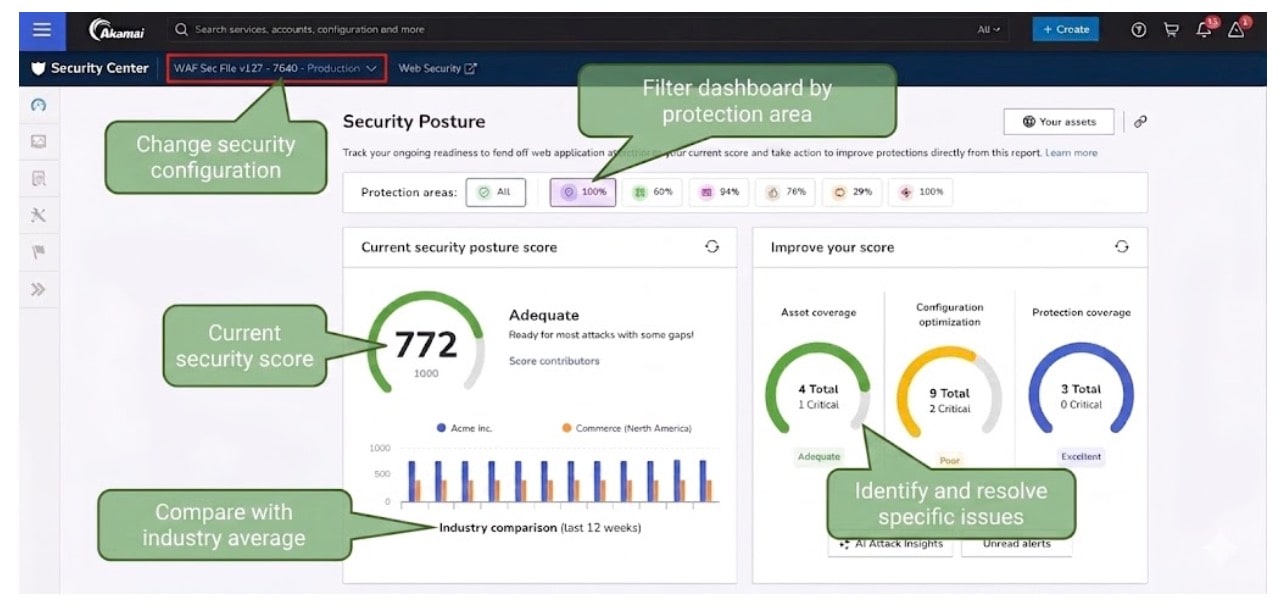 Fig. 2: This first glance of Security Hub shows everything you need to get started — from your current score to industry comparison and addressable security issues
Get your overall security posture and see how you compare
Security Hub provides an immediate view of your overall security posture through a dynamic score that reflects protection coverage, configuration health, and opportunities for improvement (Figure 3). Trend indicators help your teams understand whether their security readiness is improving over time and which factors are having the greatest influence on their posture.
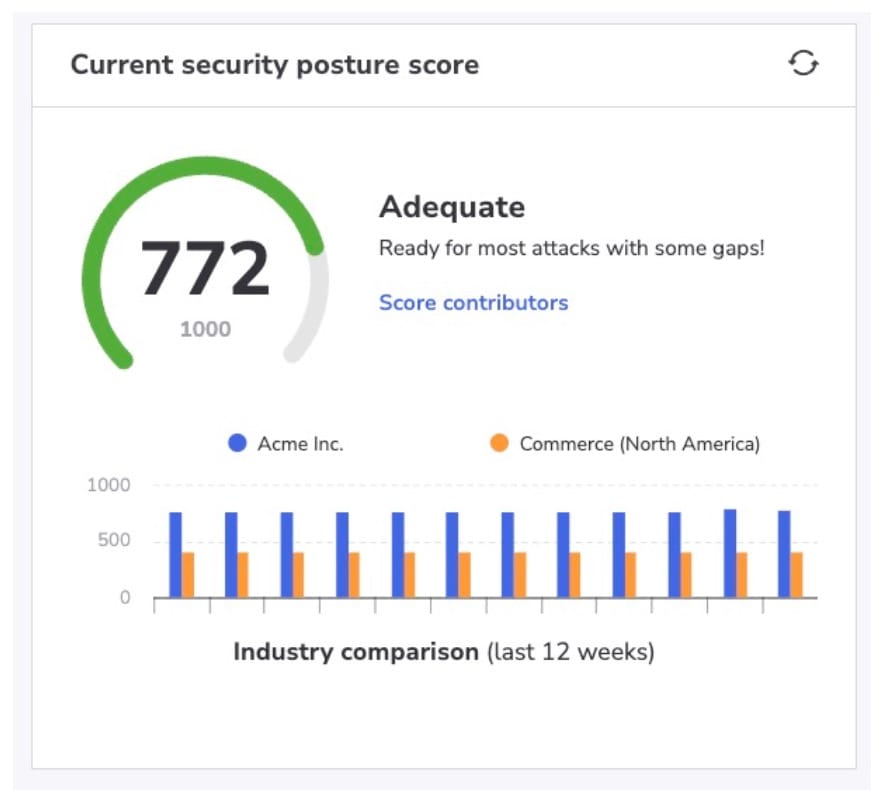 Fig. 3: Track your current security posture score and compare it with historical trends of your industry peers
The posture score becomes far more meaningful when viewed in context. Security Hub benchmarks your organization against peers within similar industries and regions, helping security leaders understand how they stack up, identify areas for improvement, and communicate progress with greater confidence.
Prioritize action
One of the most valuable aspects of Security Hub is its ability to prioritize action. It recommends improvements (Figure 4) and identifies coverage gaps, configuration issues, and open security concerns in a clear, actionable view that helps your teams focus on the changes that are most likely to strengthen your security posture (Figure 5). Direct links to remediation workflows make it easy to move from insight to action (Figure 6).
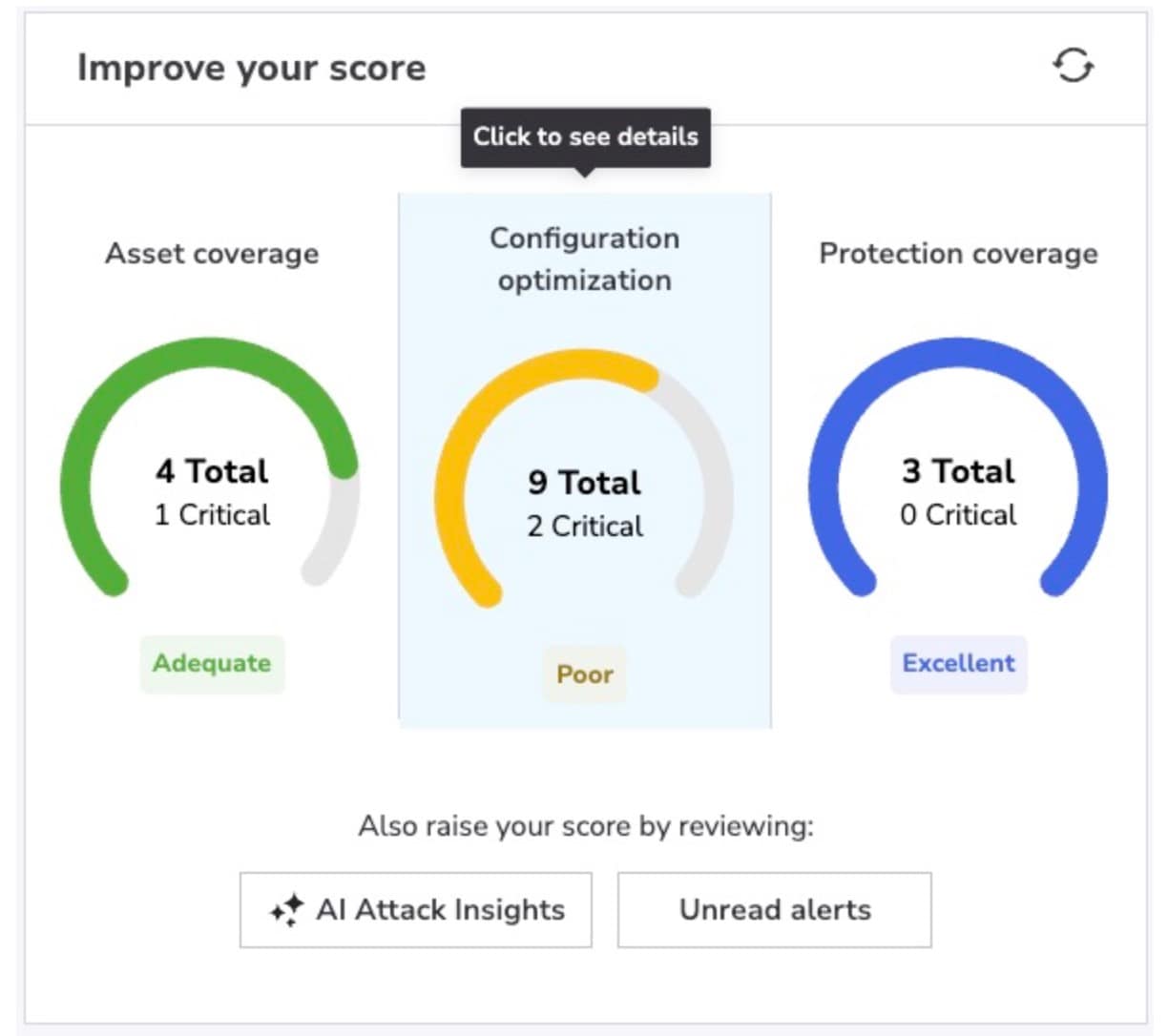 Fig. 4: Make improvements with this summary of your critical and total security recommendations
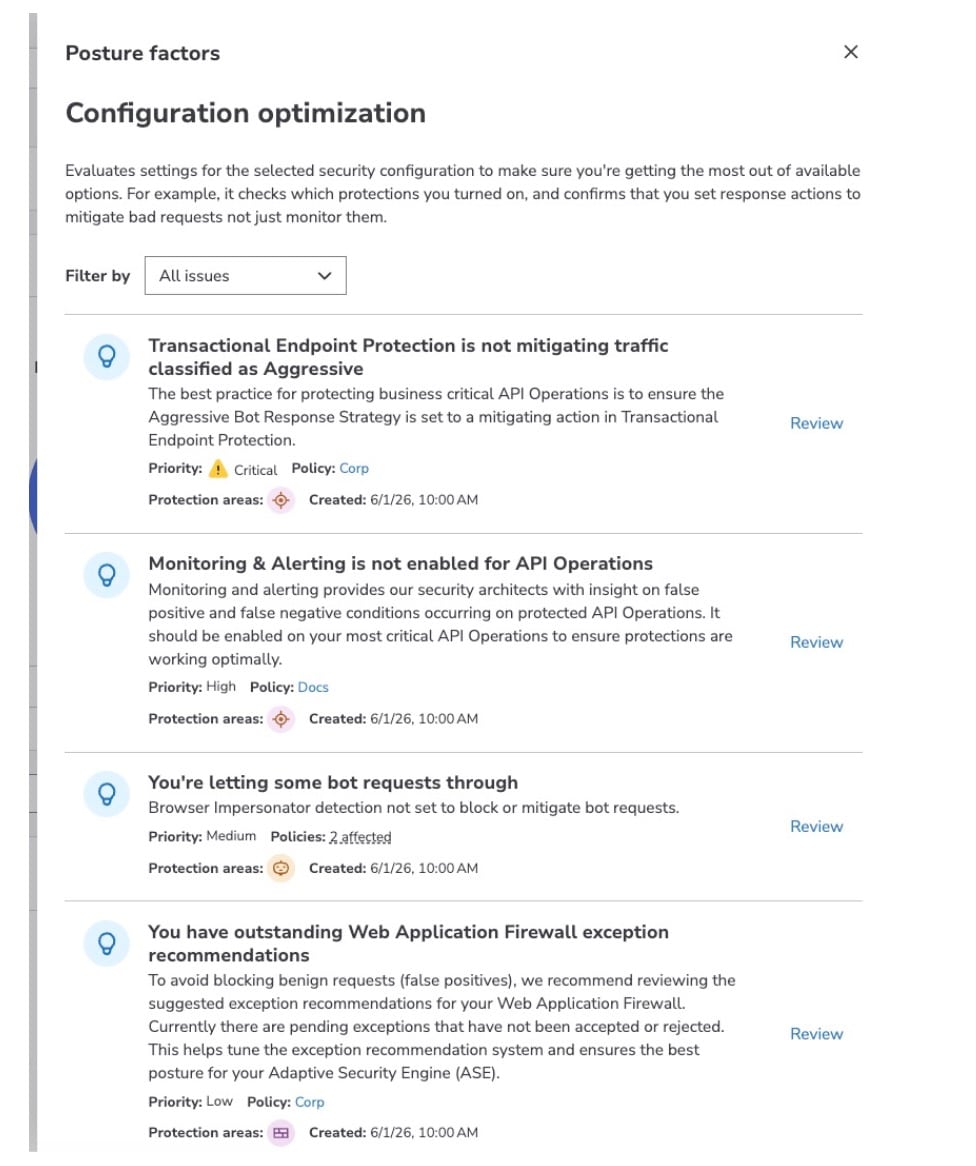 Fig. 5: Dive into the individual, proactive recommendations to improve your security posture
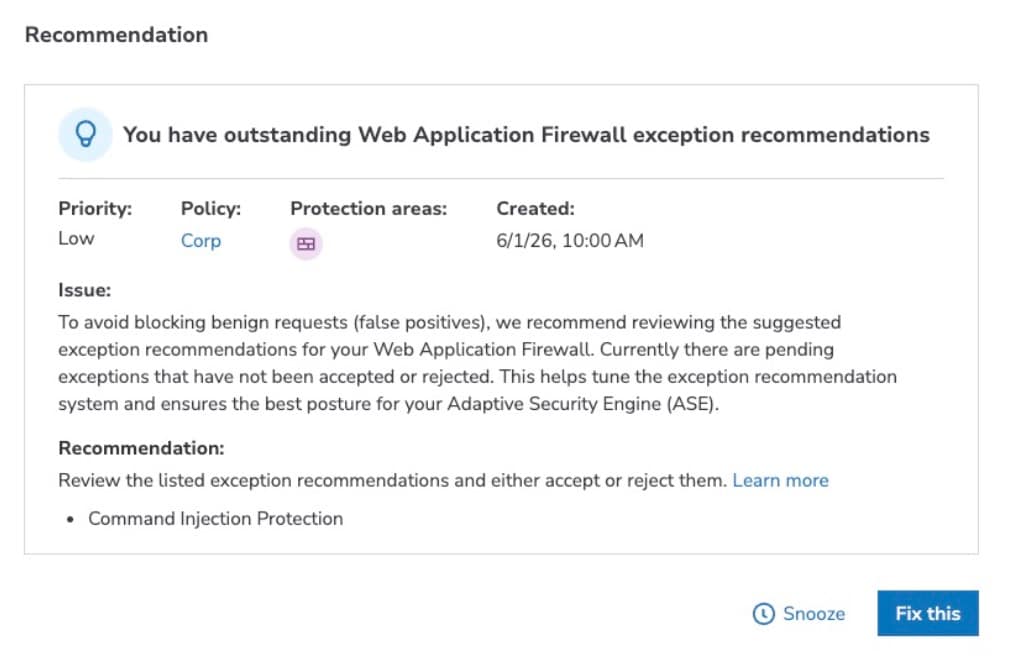 Fig. 6: Choose to fix the issue with a quick link or snooze the recommendation
Get current operational awareness
Strong security decisions require current operational awareness. Security Hub incorporates summarized insights powered by Web Security Analytics, giving your teams immediate visibility into attack activity, protection effectiveness, and emerging trends (Figure 7). If you need deeper investigation, you can seamlessly transition into Web Security Analytics to apply AI Attack Insights, engage with the AI Assistant, and accelerate investigations with additional context and guidance.
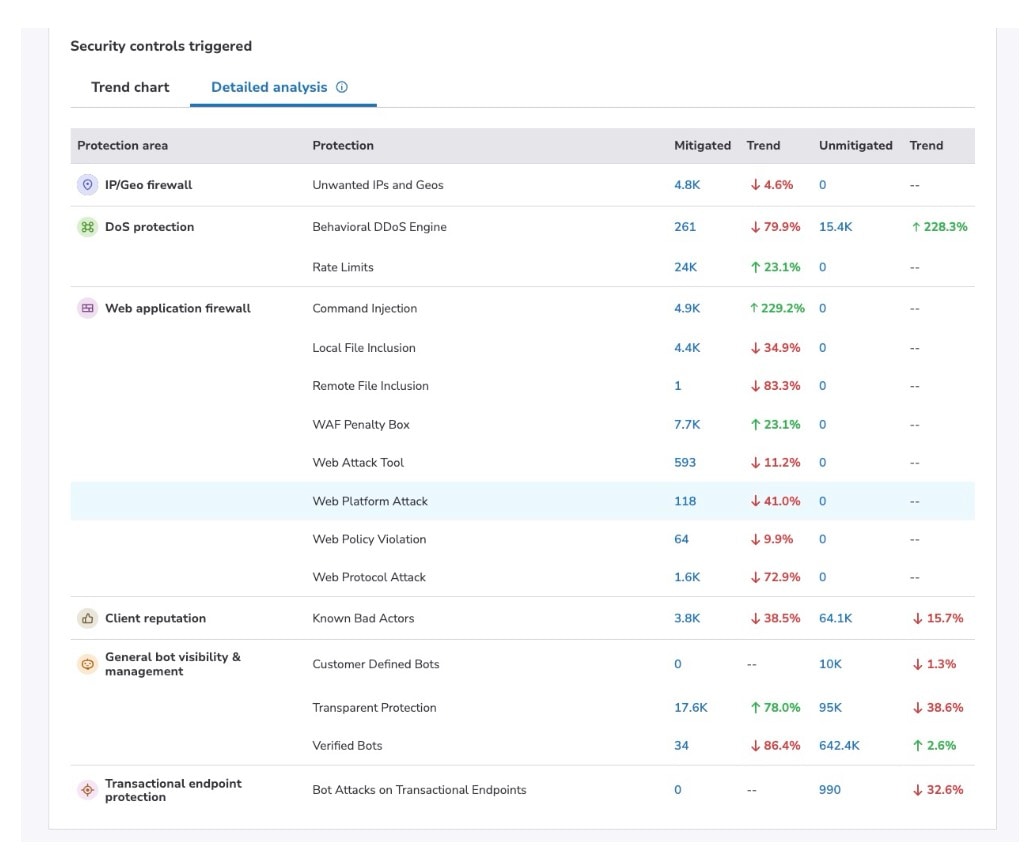 Fig. 7: Trust in our proactive recommendations and gain confidence by reviewing attack trends across protection areas
See your security progress
Security maturity is built over time. As recommendations are addressed and protections are strengthened, Security Hub reflects that progress through updated posture indicators and trend analysis (Figure 8). Your teams can see how their efforts are improving security readiness, which can help them demonstrate value to both technical stakeholders and business leaders.
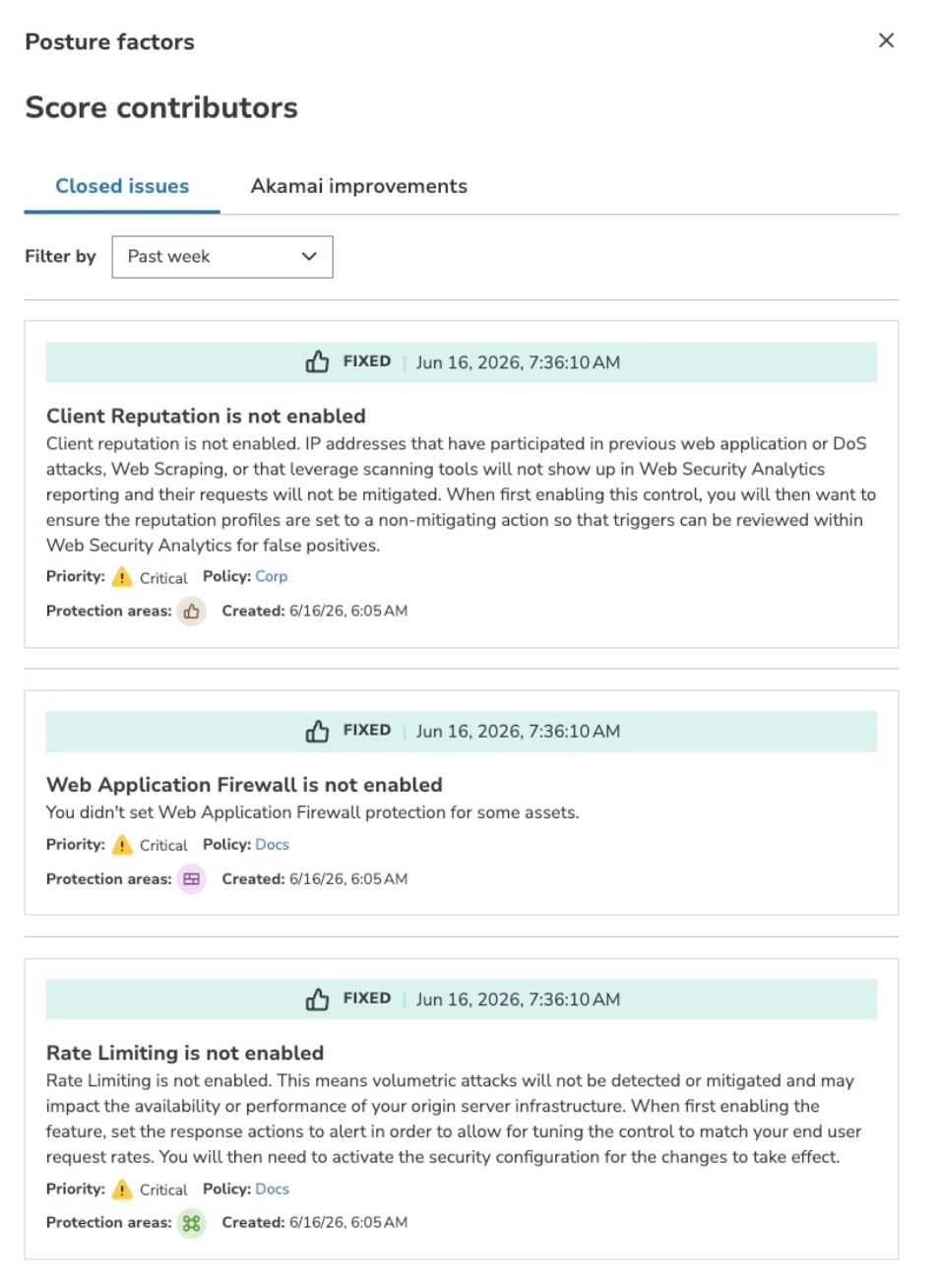 Fig. 8: Your hard work to improve your security posture is visible in our closed issues log
Extending the value of the application security platform
Security Hub is the next major evolution of Akamai Application Protection Platform, turning complex threat data into clear, actionable strategy.
Building on tools such as AI Attack Insights and the AI Assistant, Security Hub serves as a central operational intelligence layer. It unifies daily telemetry — from global threat research to localized protection coverage — so your security teams can see, understand, and mitigate risks faster.
Ultimately, Security Hub bridges the gap between passive visibility and active posture management, empowering you to instantly map risks to controls and make smarter defensive decisions.
Building a resilient security program
Strong security programs are not built through a single deployment, a single configuration change, or a single security tool. They are built through continuous evaluation, informed prioritization, and steady improvement over time.
You need a clear understanding of your security posture, visibility into evolving threats, guidance on where to focus next, and a practical way to measure progress along the way. As security environments become more complex, the ability to connect intelligence with action becomes increasingly important.
Security Hub was created to support that journey.
Moving from security intelligence to security outcomes
As the operational intelligence layer of Akamai Application Protection Platform, Security Hub brings together posture insights, benchmarking, recommendations, open issues, and operational visibility to help your security teams make better decisions with greater confidence.
By connecting insights across security controls and surfacing the actions that matter most, Security Hub helps you align teams, strengthen protections, and demonstrate measurable progress over time.
Whether you are a security analyst investigating daily activity, an AppSec team managing protection coverage, or a security leader responsible for risk and strategy, Security Hub provides a clearer path from security intelligence to security outcomes.

Key contributor Ofir Moskovich is a product leader driving innovation to make application security simpler and more accessible. He creates unified, AI-powered solutions that turn complex security data into actionable insights, helping teams prioritize threats, respond faster, and strengthen defenses. His work empowers organizations to shift from reactive incident handling to proactive protection, inspiring operations with confidence and enabling resilience against evolving threats.
Tags