Public sector Chief Information Security Officers (CISOs) and IT leaders are caught in a tug-of-war over where and how government employees work.
While return-to-office directives aim to bring federal employees back into physical offices, 2026 arbitration rulings across major civilian agencies — including the IRS, US Forest Service, Social Security Administration, and Department of Health and Human Services — have restored telework and remote work flexibilities for hundreds of thousands of personnel. Combined with ongoing state, local, and education (SLED) hybrid work policies, remote work remains a reality across the public sector.
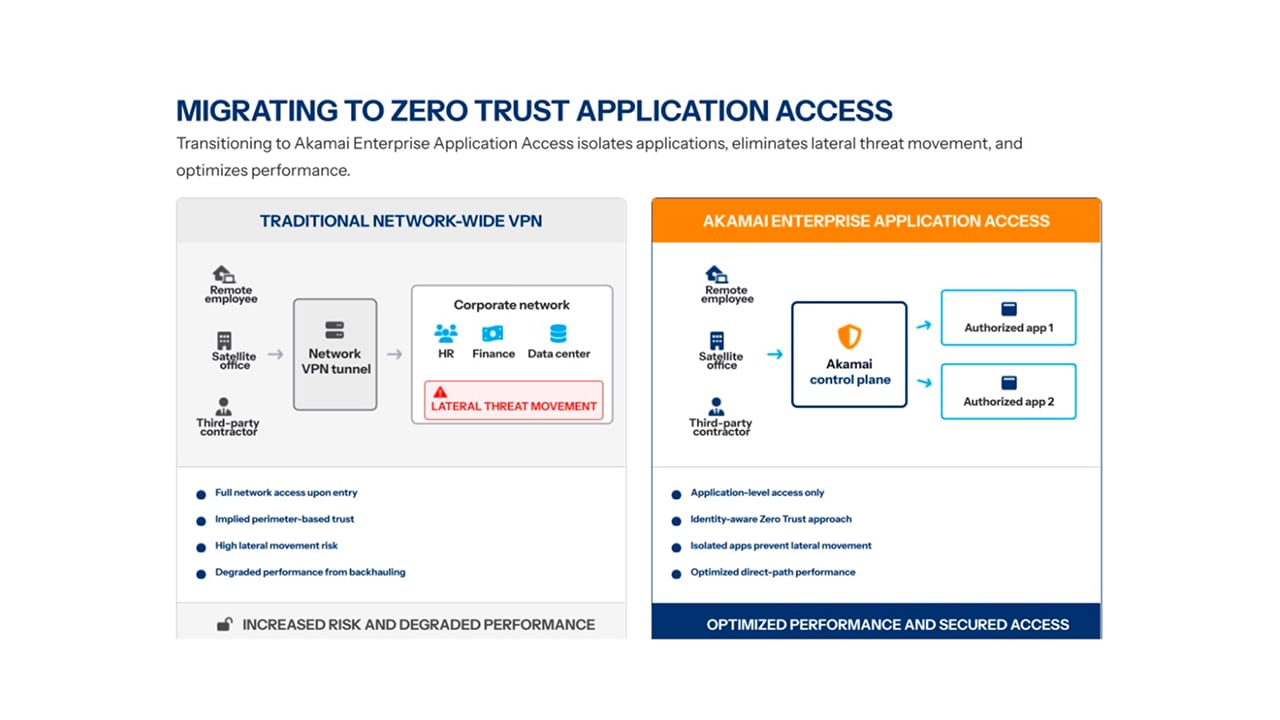
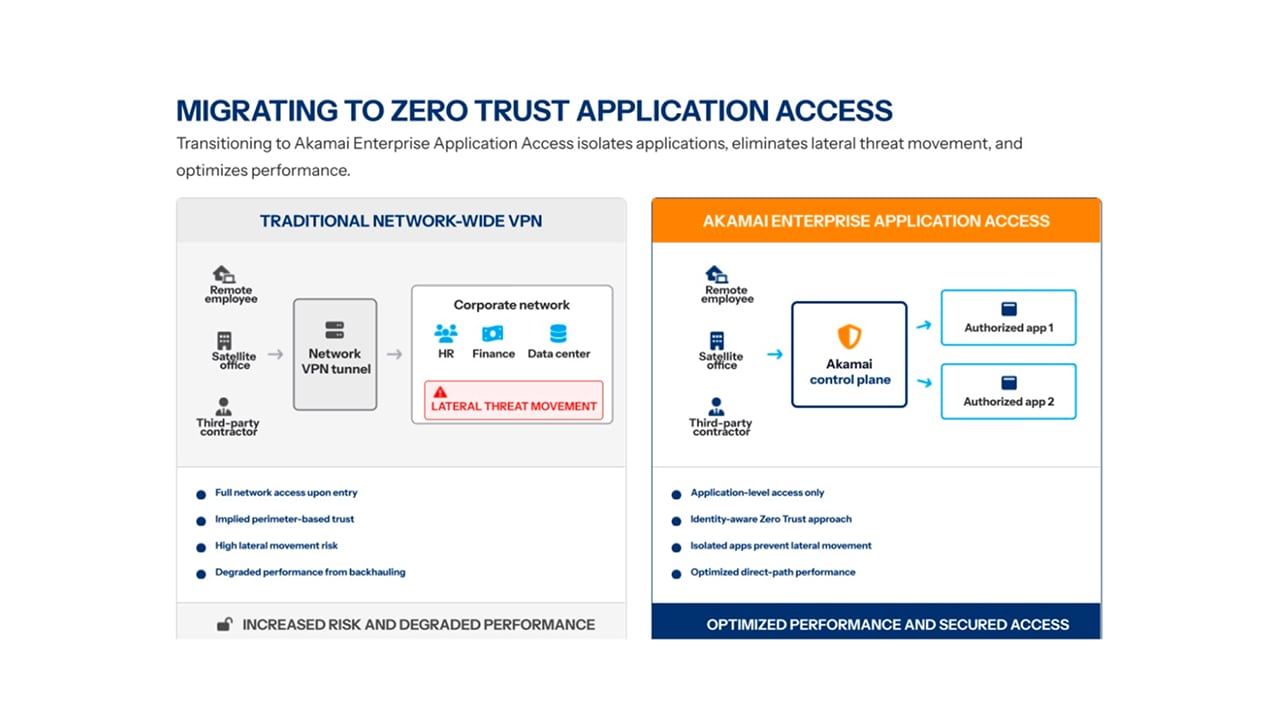
Regardless of whether an employee is sitting at a desk in a federal facility or working from a home office, public sector agencies face a shared operational wall: the legacy VPN and its static encrypted tunnels.
Initially engineered for a network-centric world, traditional hardware VPNs have become a major security concern for agencies that are trying to protect distributed environments. With VPN architectures, gateway bandwidth can become constrained as remote user volume scales, slowing network performance and degrading user experience.
To protect both the mission and the workforce, public sector IT leaders need to move beyond legacy network tunnels and adopt a device-agnostic, cloud native approach to secure remote access through Zero Trust Network Access (ZTNA).