





Retail teams can use Akamai Cloud for customer-facing applications, ecommerce services, AI inference, compute, Kubernetes, storage, networking, and other workloads that need global reach and predictable performance.
Overview
A distributed cloud platform for modern retail experiences
Retailers need cloud infrastructure that can keep pace with changing user traffic, the explosion of AI, and connected shopping experiences. Akamai Cloud brings applications and inference close to shoppers while helping control cost and complexity.
Run retail applications and AI close to the customers they serve
Akamai Cloud helps retail teams modernize ecommerce and in-store applications with Kubernetes, serverless functions, and AI services built for fast, responsive experiences across channels.
Scale for everyday traffic and peak shopping demand
Validate how much load your application can handle with CloudTest so teams can see how systems will hold up before major shopping events. Support high traffic without overbuilding for a single peak.
Deliver faster AI-powered retail experiences
Use Akamai Inference Cloud, GPU compute, and Akamai Functions to power recommendations, assistants, personalization, and other real-time experiences. Connect them to live inventory and pricing data while keeping latency low and maintaining user experience.

Keep cloud costs predictable as the business grows
Forecast cloud spend with flat, transparent pricing and low egress fees so your bill doesn't spike when traffic, data, and demand do.
Build on an open cloud foundation
Modernize retail applications on Linode Kubernetes Engine (LKE), App Platform, and S-3 compatible storage. Standard, portable tooling lets teams build and move services without proprietary lock-in.
How it works
Run retail workloads across Akamai’s distributed cloud
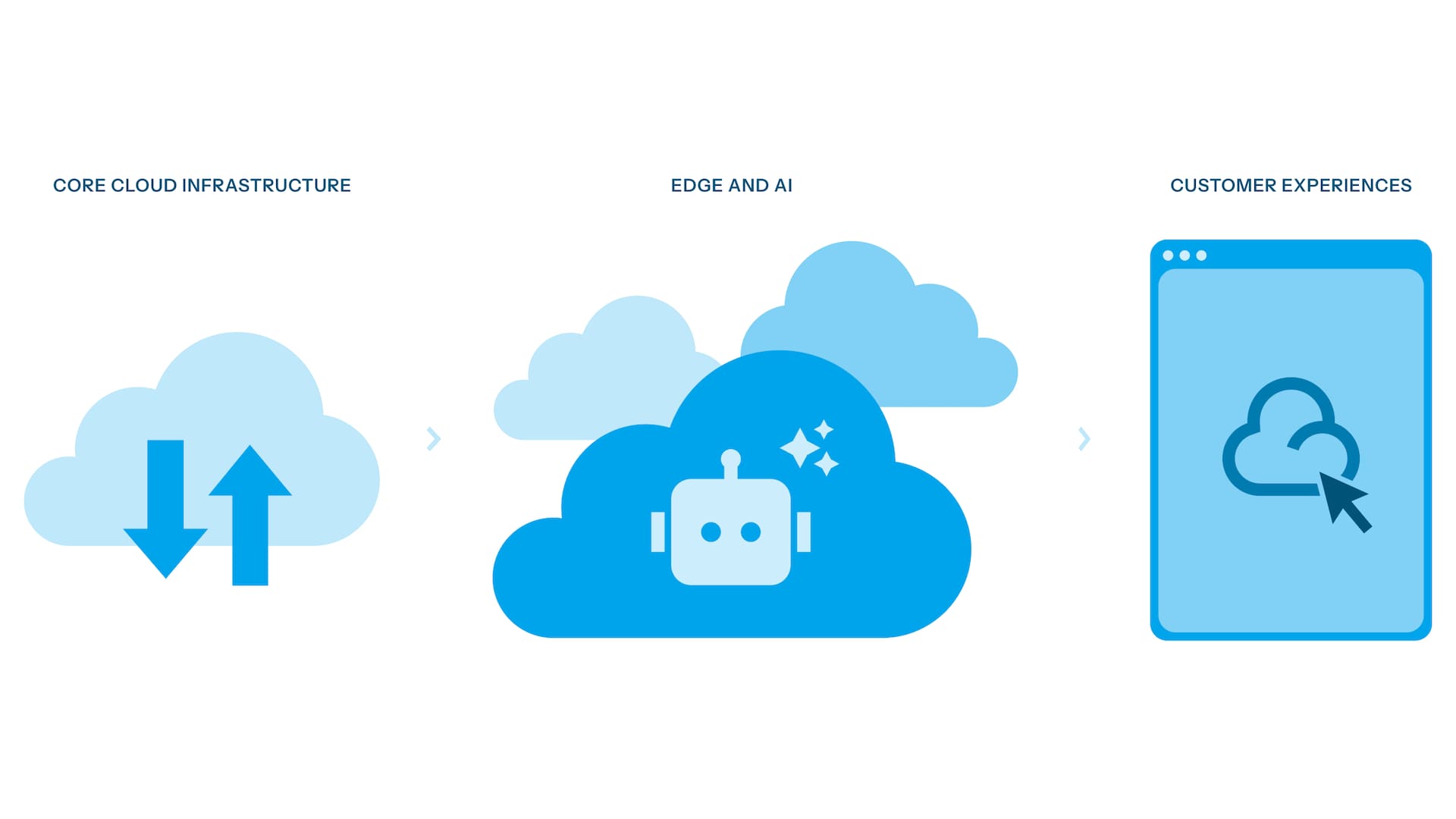
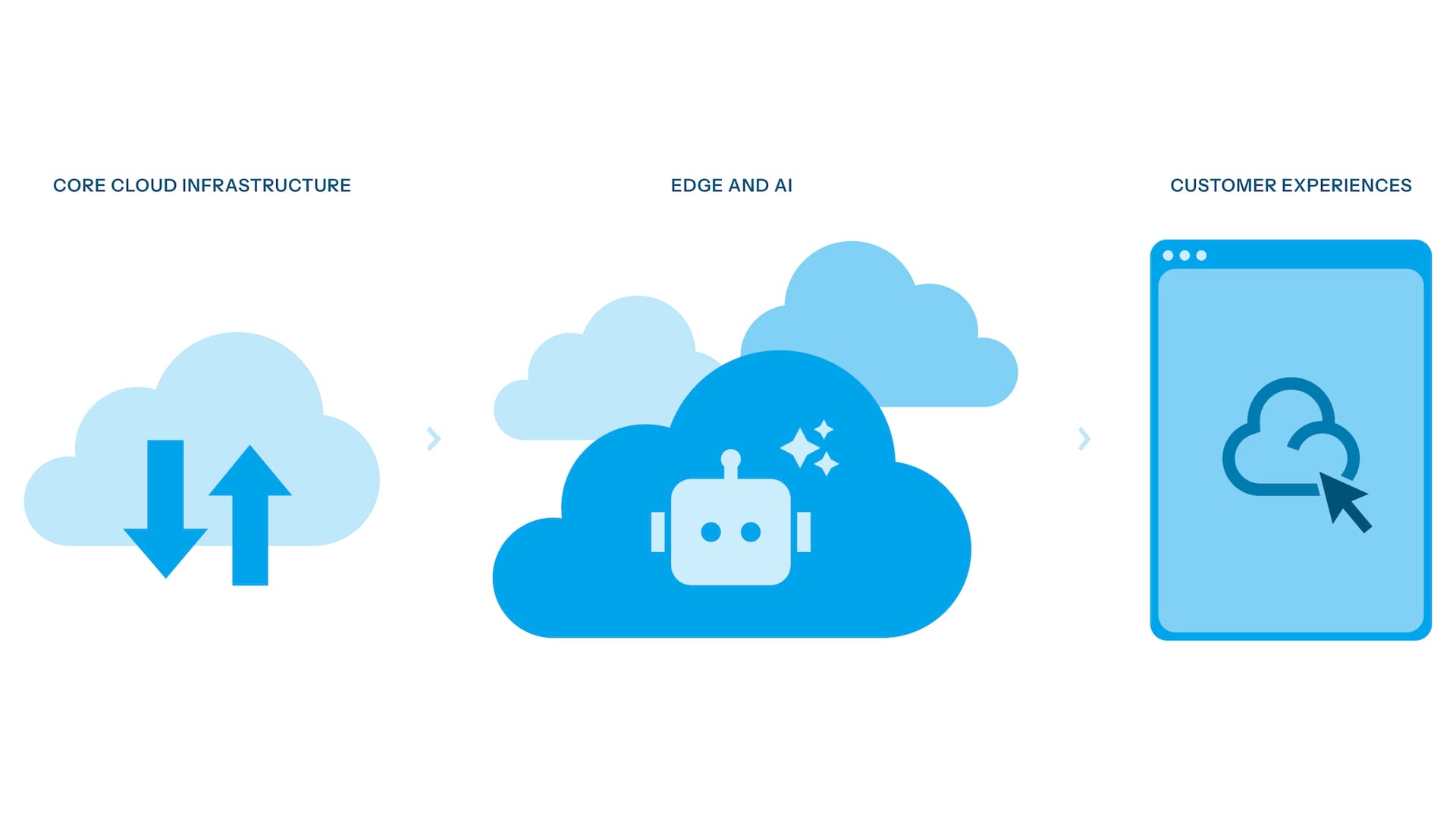
Deploy applications and AI across core, distributed, and edge infrastructure based on where performance matters most. Use Akamai Functions to connect apps, data, and AI close to shoppers across one cloud platform.
See how commerce teams scale with Akamai
Retail and ecommerce companies use Akamai to control cloud costs, prepare for peak demand, and deliver fast, reliable digital experiences as they grow.

Build and scale modern retail workloads
Bring together the cloud services needed to run retail applications, AI, data, and high-traffic commerce experiences on a distributed platform.
Frequently Asked Questions (FAQ)
Frequently Asked Questions (FAQ)
Teams can scale cloud infrastructure as demand changes and use CloudTest to simulate large traffic loads before major events, helping uncover performance bottlenecks before customers encounter them.
Yes. Akamai Inference and GPU infrastructure support low-latency AI inference for use cases including assistants, personalization, recommendations, and real-time decision workloads.
Akamai combines transparent cloud pricing with low egress costs and distributed infrastructure, helping businesses scale without allowing data transfer and infrastructure costs to grow unpredictably.
Yes. Akamai’s managed Kubernetes service, Linode Kubernetes Engine, provides managed Kubernetes for containerized workloads, while App Platform provides a pre-engineered Kubernetes-native stack for deploying and operating cloud native applications.
Akamai’s cloud services are built around open technologies, APIs, Kubernetes, and portable architectures that can support multicloud and hybrid approaches without requiring a proprietary application stack.
Akamai Functions can run application logic close to shoppers and connect AI workflows with other cloud services, helping retailers deliver more responsive experiences across channels.
Akamai Cloud includes Cloud Firewall and private networking. For application-layer protection, pair it with App & API Protector and Bot Manager. That matters in commerce: Nearly half (47.9%) of all AI bot traffic across Akamai’s network in the second half of 2025 was in the commerce vertical.
Explore how retailers are building for scale, performance, and growth

Build a cloud strategy for the next generation of retail
Tell us what you’re building, scaling, or updating. An Akamai Cloud expert can help you:
- Explore infrastructure for retail and AI workloads
- Plan for peak traffic and global growth
- Find opportunities to improve performance and cloud economics