Background

Don’t Let Infrastructure Bottlenecks Slow Your AI

When compute is scarce and data is costly to move, AI is harder to scale. Make it easier. Put GPUs and workloads close to users.

AI doesn’t run in one place. So why should your infrastructure?

Models, data, GPUs, APIs, and users span locations as AI moves into production. See what happens when you change how data moves, where workloads run, and the compute they require.

AI doesn’t run in one place. So why should your infrastructure?

Models, data, GPUs, APIs, and users span locations as AI moves into production. See what happens when you change how data moves, where workloads run, and the compute they require.

New research: How AI affects costs, strategy, and infrastructure decisions

See what IT leaders have learned as AI moves into production. Results from a survey reveal how they are responding to pressures from infrastructure and costs — and the shifts they must make to keep pace.
AI performance is becoming a business imperative

95% say AI experiences are essential to compete

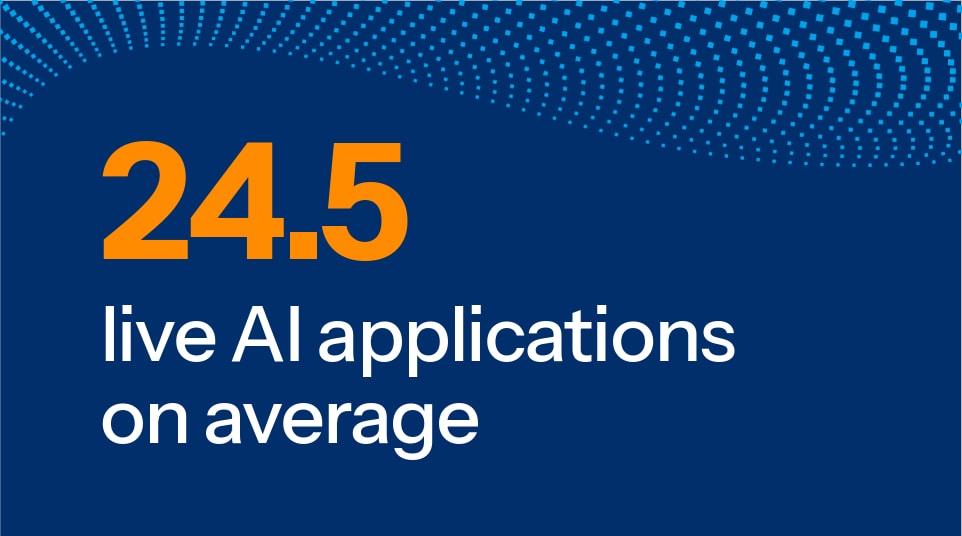
24.5 live AI applications on average

As your AI moves further into production, your infrastructure must support more AI applications, greater complexity, and growing demand.  

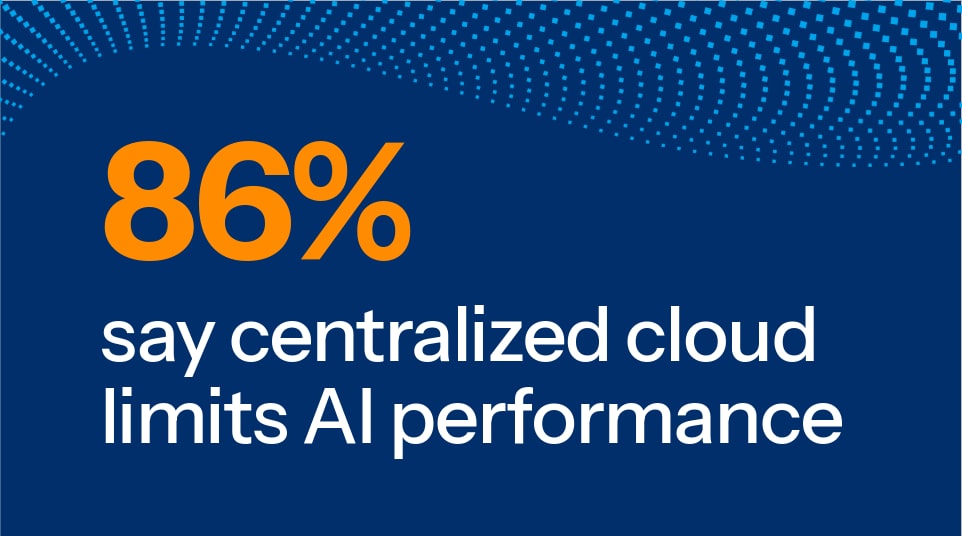
Centralized cloud limits AI performance for 86%

Distributed demand is testing infrastructure limits

Distributed cloud allows you to scale AI with top performance

96% plan to use multiple cloud providers. Diversifying infrastructure is the answer to meeting the demands of AI.

Better performance shouldn’t mean higher costs

90% make cost trade-offs for AI performance

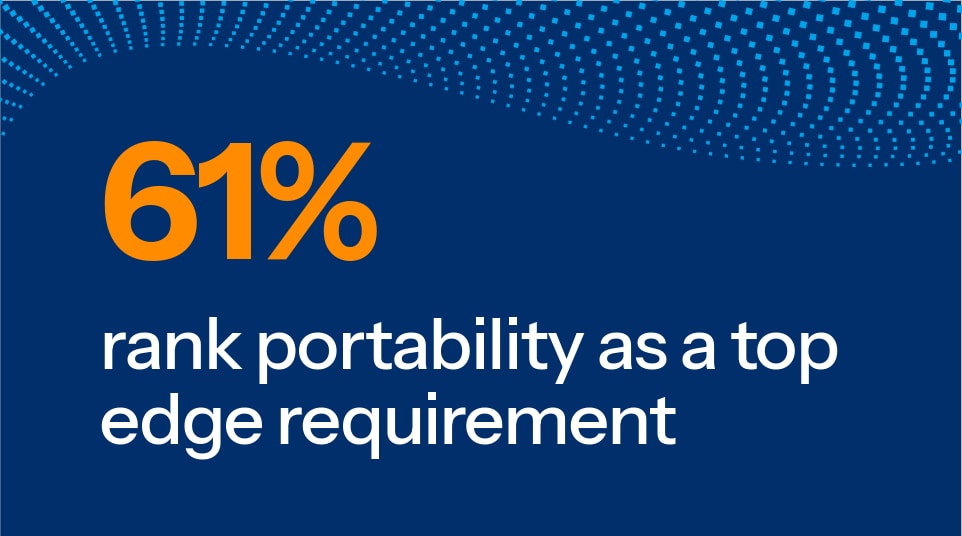
61% rank portability as a top edge requirement

Dynamic, variable compute requires the flexibility to move workloads without creating new costs or other constraints. Portability diminishes trade-offs.

Cloud built for AI

Akamai gives you the distributed infrastructure to run AI workloads closer to users, place them where they perform best, and scale with greater control over performance, security, and cost.


Run AI inference close to users

Deliver faster, more responsive experiences

Place inference closer to users and data to reduce latency and support responsive, real-time AI experiences.

Move AI data without the high egress fees

Reduce data transfer costs as AI scales

Process more data closer to where it’s created to reduce unnecessary movement back to centralized infrastructure.

Match the right GPU to your workload

Increase GPU efficiency for inference workloads

Match AI workloads with the right compute resources to improve utilization and get more value from GPU capacity.

Run GPU workloads on Kubernetes

Scale production AI with Kubernetes

Run AI on Kubernetes-native infrastructure to coordinate compute, networking, and operations as workloads grow.

The State of AI Inference 2026

See why the gap between real-time AI requirements and centralized infrastructure is pushing teams toward distributed inference.

The AI Data Egress Trap

Learn how decoupling your infrastructure stack with alternative, workload-specific clouds can cut data transport overhead by up to 80%.

The agentic web is here. Is your infrastructure ready?

Use these questions to evaluate where performance, cost, GPU efficiency, or infrastructure flexibility could be holding you back.

Can you deliver the performance

Latency can quickly become a problem when inference happens far from users and data. Consider whether your infrastructure can maintain responsive experiences as demand grows and becomes more distributed.

Next step: See why 50% of organizations struggle to maintain latency at peak load.
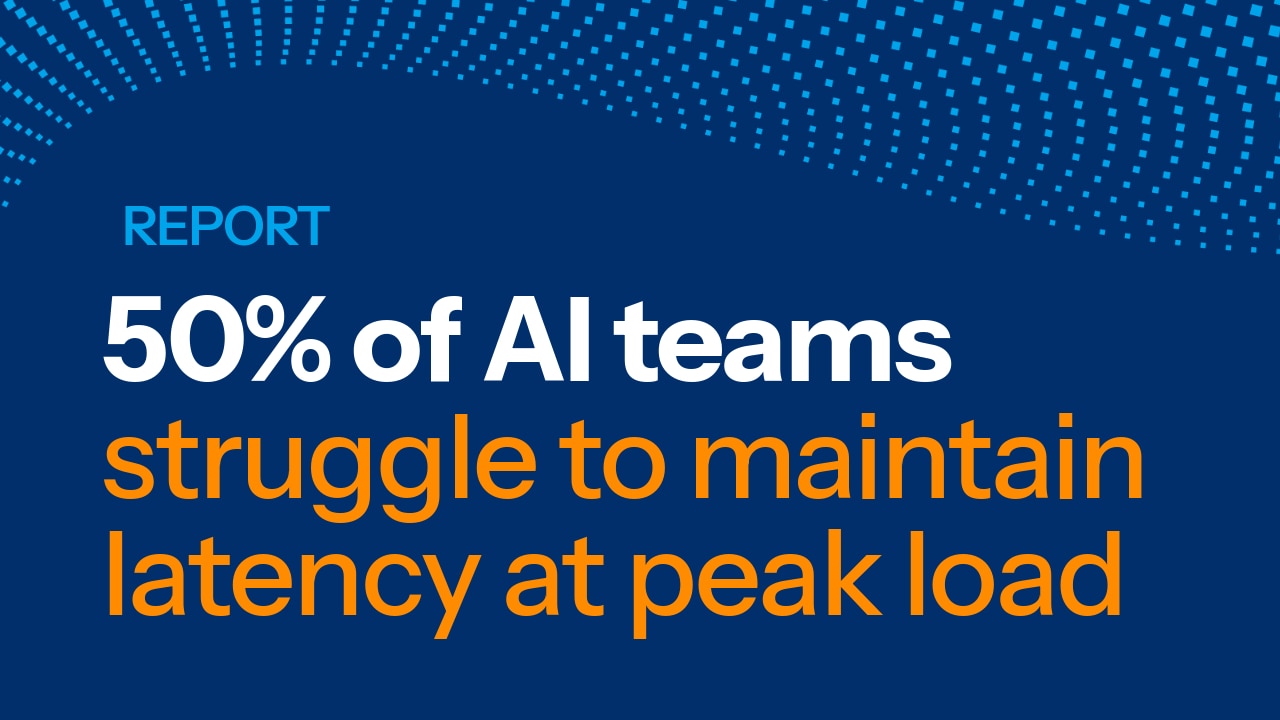
Report: 50% of AI teams struggle to maintain latency at peak load

Can you scale AI without costs getting out of control?

Compute is only part of the equation. Data movement, utilization, and infrastructure choices can all increase costs as AI workloads grow.

Next step: See where your AI infrastructure stands today and where you may have opportunities to optimize.
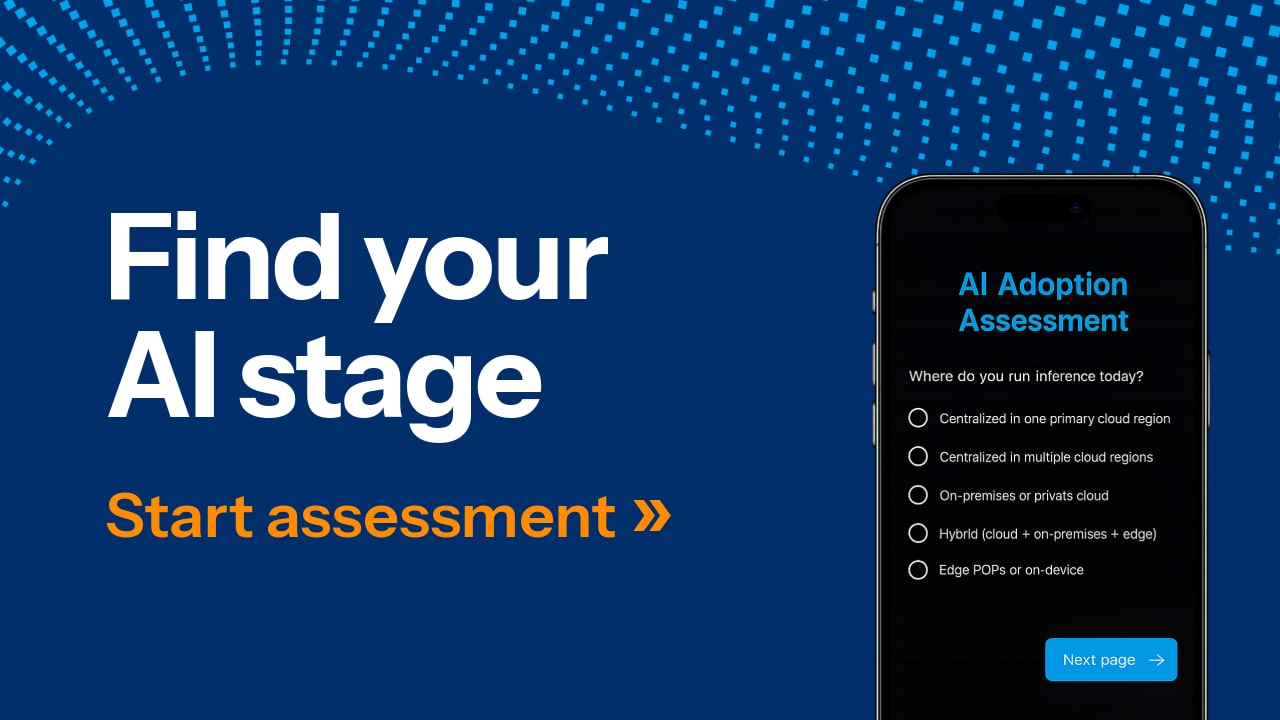
 

Find your AI stage | Start assessment

Are you getting enough from your GPU capacity?

More GPU capacity doesn’t automatically mean better economics. Matching the right compute to the right workload can help improve utilization and make infrastructure spend work harder.

Next step: Get guidance on matching GPU capacity to your workloads.
 

On-demand webinar: Right compute. Right time. Right cost.

Can your workloads move as requirements change?

AI requirements evolve quickly. Consider whether your workloads can move across environments as performance, cost, and business requirements change — without forcing you to start over.

Next step: Explore the path from API-first inference to more flexible, distributed architectures.

 

Map your AI adoption path | Read the report

Get more from your AI infrastructure

Improve performance, control costs, and get more from your GPU capacity.

  • Assess your current setup
  • Explore the right GPU and deployment options
  • Plan for what comes next