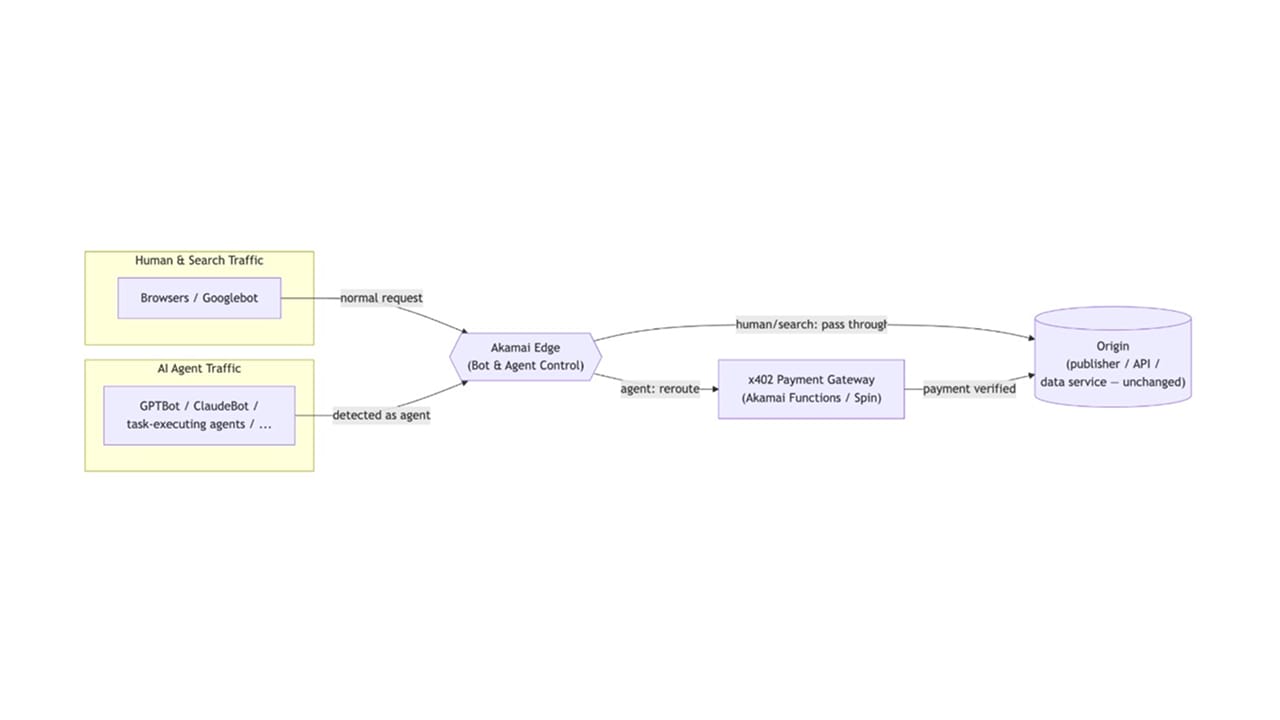
For 20 years, the web’s implicit contract was simple: Content and API owners give something away (a page, a data feed, a compute cycle); ads, subscriptions, or direct billing pay the bills; and automated clients (mostly search engines) play by the unwritten rules.
Two types of AI agents are breaking that contract, each in a distinct way:
Content-scraping bots, such as GPTBot, ClaudeBot, PerplexityBot, and CCBot , fetch and repackage publisher content without clicking ads, converting to subscribers, or sending human traffic back to the original publisher.
Task-executing agents now autonomously call paid APIs, data feeds, and compute services on behalf of a human or another agent, entirely without a human in the loop, to click “buy” or enter a credit card.
Both types of bot activity create the same underlying problem: The resource owner needs a programmatic, per-request way to charge an automated client so they either eat the cost, block the traffic, or force it through slow, human-shaped payment flows (API keys, prepaid credits, manual invoicing) that don’t fit how agents actually operate.
Blocking outright is a defensive, not a strategic, move — for content, it just pushes you out of whatever AI-mediated discovery layer comes next; for APIs and data, it forecloses an entire emerging buyer category. The better move is the one that markets have always made when a new class of consumer showed up: Charge for access, in a form that the consumer class can actually transact in. For agents, that means no signup forms, no credit cards, no human-in-the-loop approval — just a request, a price, a signature, and a retry.
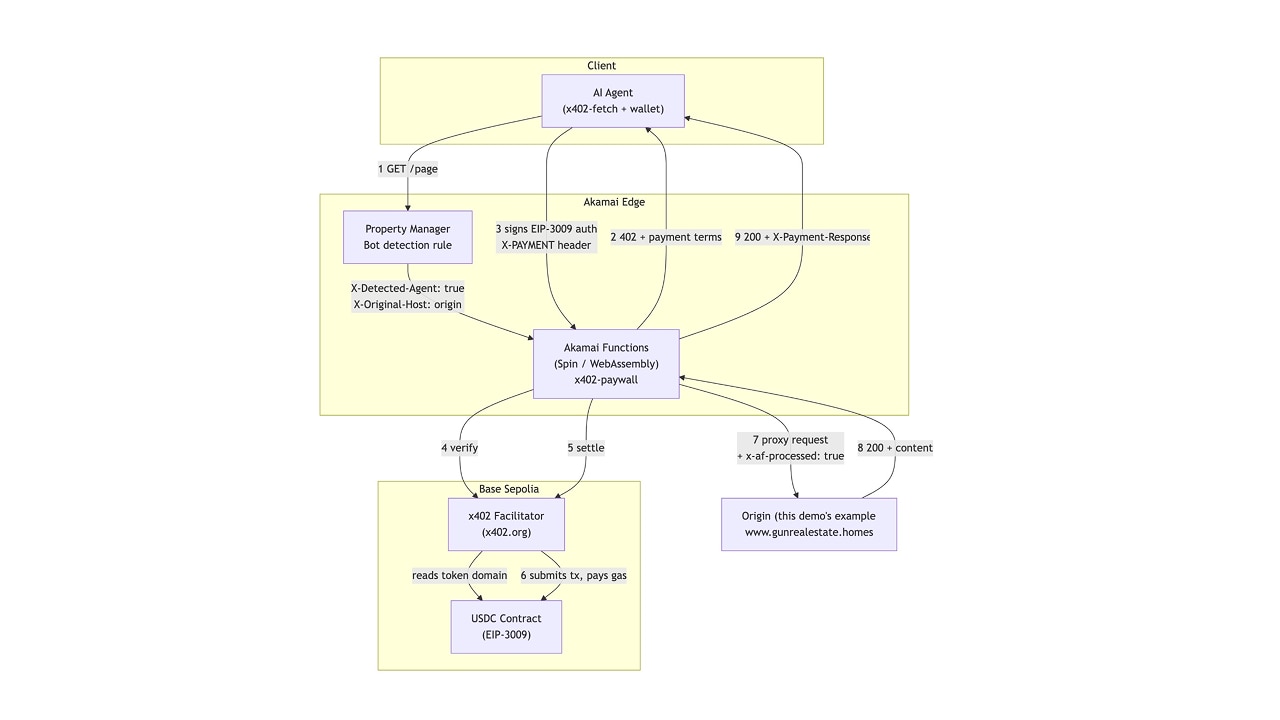
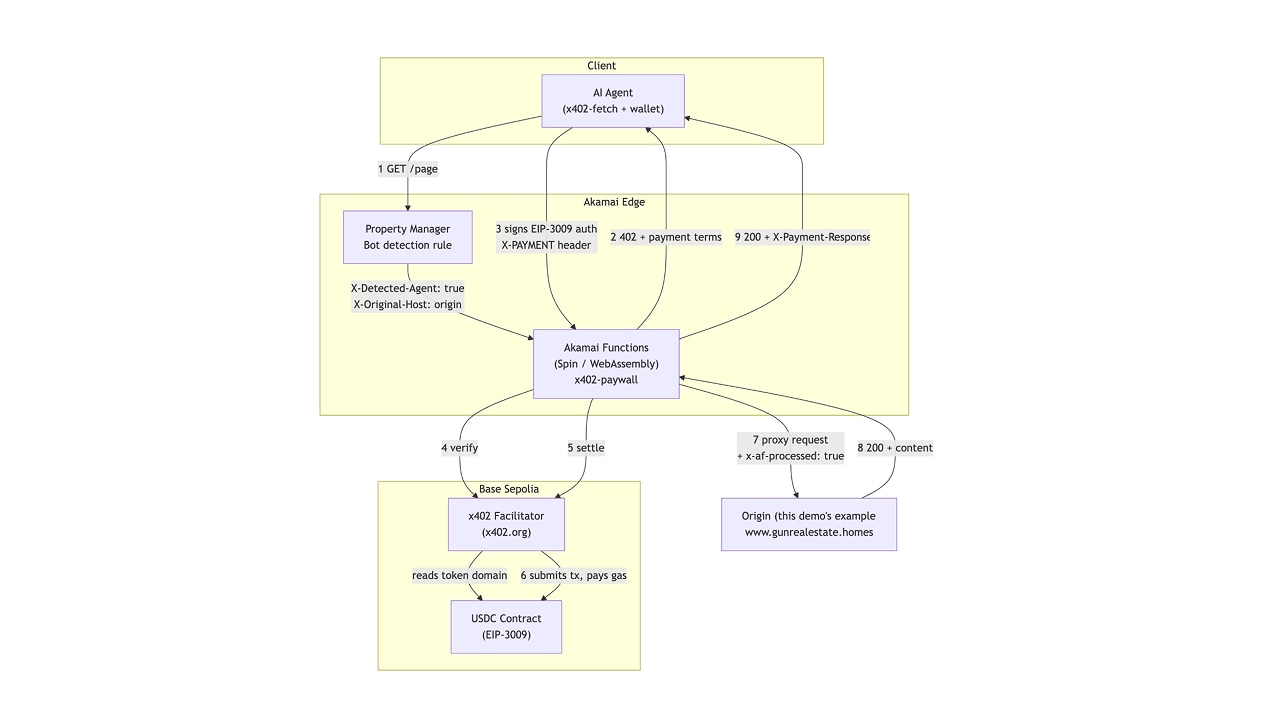
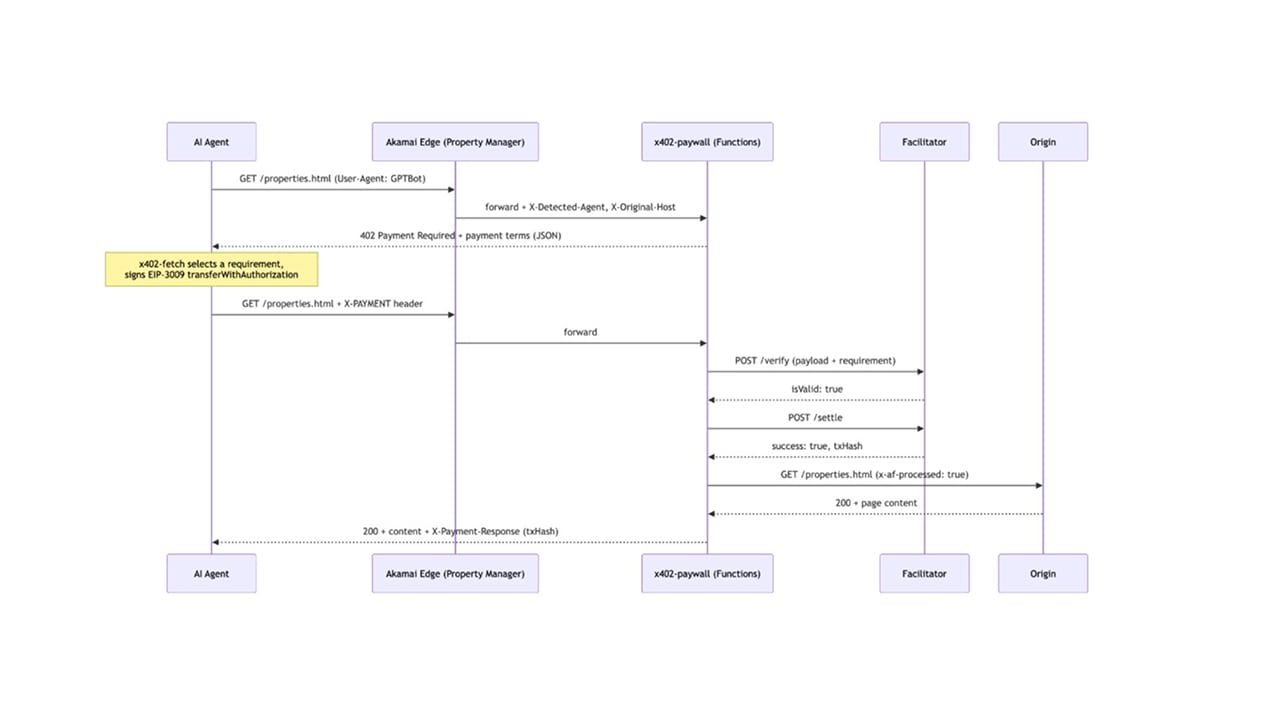
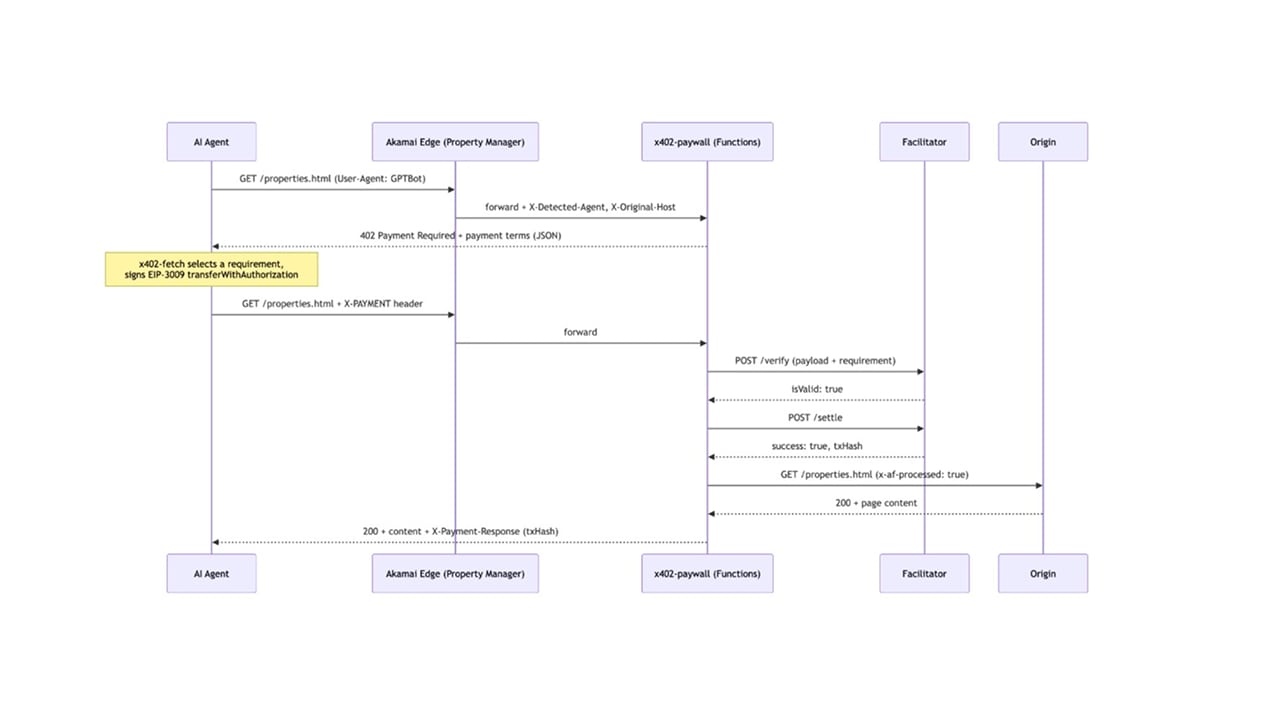
That’s exactly what the x402 protocol is for. It’s an open standard that repurposes the long-dormant HTTP 402 Payment Required status code into a machine-readable handshake for stablecoin micropayments.
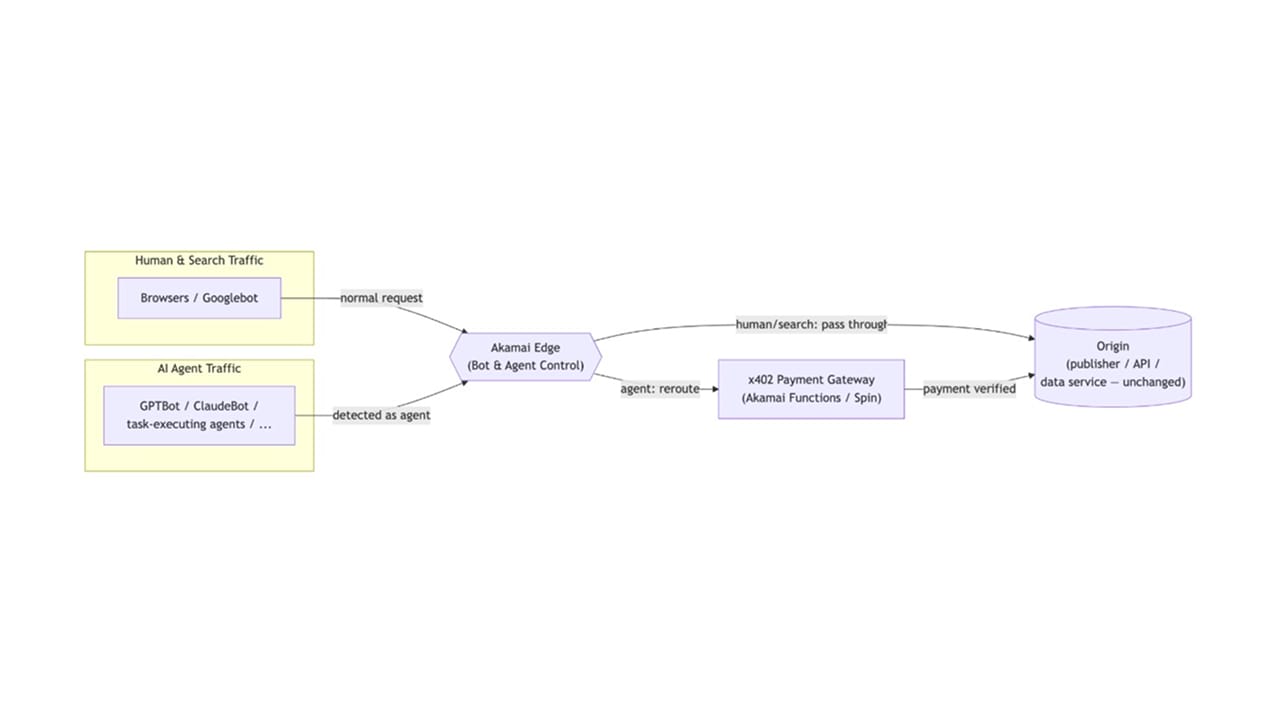
In this blog post, I’ll examine the x402 protocol using a publisher content paywall as an example because it’s the easiest to visualize end to end .