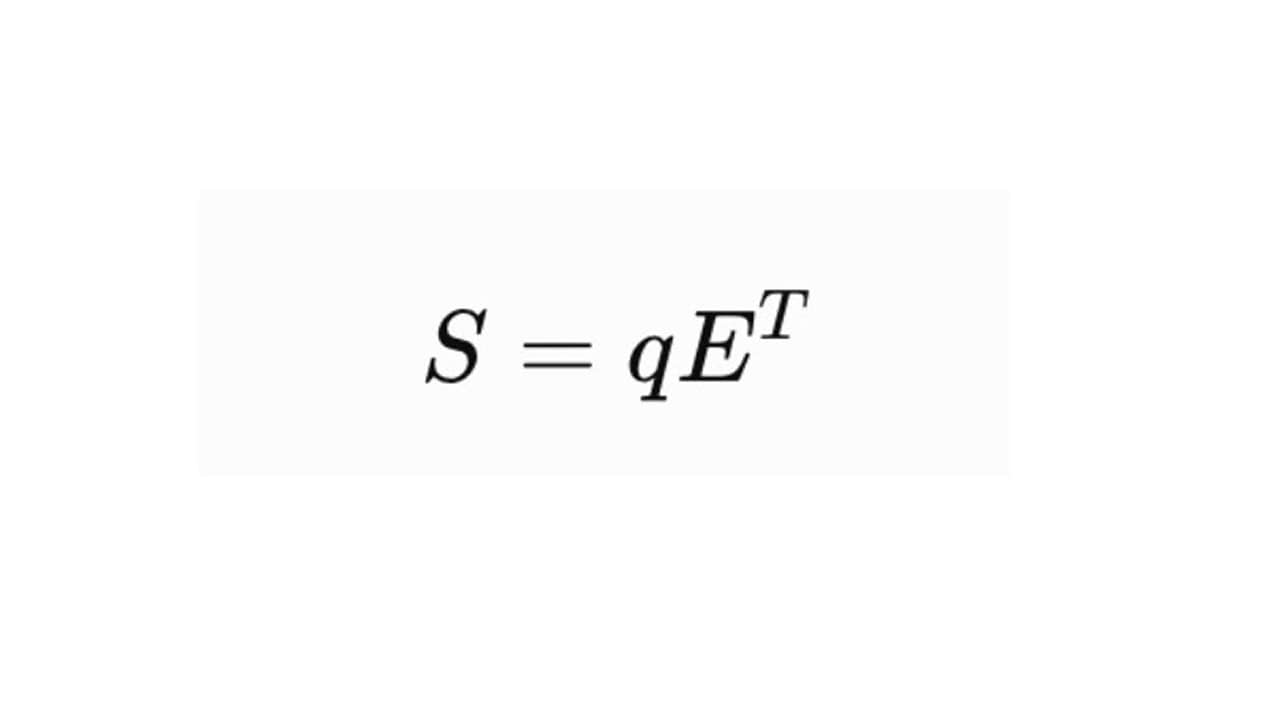
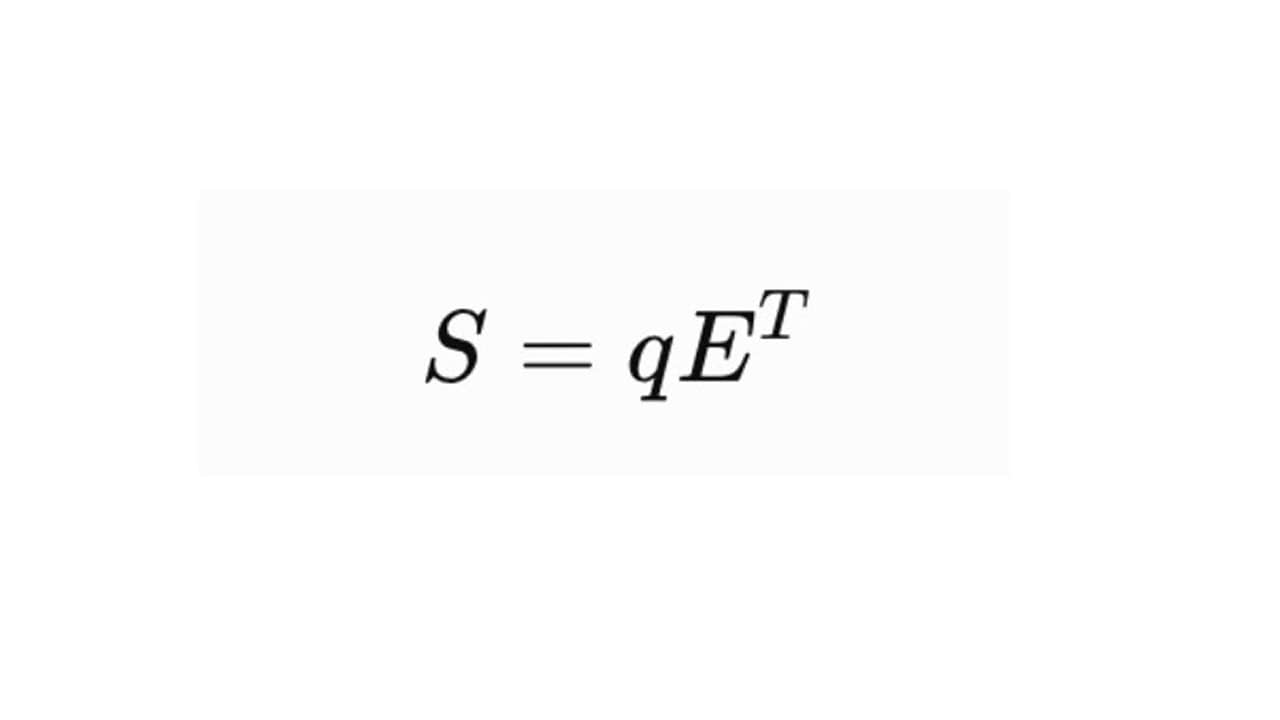
Somewhere at the intersection of cloud computing, open source software, and fashion, there’s an Akamai T-shirt.
Akamai teamed up with UNIQLO for its PEACE FOR ALL charity T-shirt project, bringing the company’s digital roots into the physical world. The design features a heart on the front and real computer code on the back, a reference to Linux, and the open source foundations of the internet.
Seeing computer code translated into a T-shirt made me wonder whether the process could work in reverse: If technology can become fashion, can fashion become something that AI can understand and search? More specifically, what kind of retrieval-augmented generation (RAG) system would an international team of fashion designers actually want?
Then, Miranda Priestly entered the architecture.
I was watching The Devil Wears Prada 2 during a long flight when the idea became more concrete. Somewhere between the fashion, the impossible deadlines, and Miranda Priestly’s famously exacting expectations (she is the formidable, cold, and razor-sharp Editor-in-Chief of Runway, a fictional high-fashion magazine in the film), I started thinking about what an enterprise AI assistant for a fashion organization would actually need to do.
Imagine a designer asking, “Show me previous women’s jackets with a silhouette like this, but with a shorter collar.” Or a Japanese designer searching for a warm winter coat in Japanese, followed by an Italian designer refining the same search in Italian.
A conventional text-based RAG system can search descriptions, documents, and metadata. But what the designer is looking for may not exist in the words at all. It may be in the pixels: the silhouette, pattern, color, cut, or visual relationship between one design and another.
That led to an engineering question: Could I build a RAG system that would let fashion teams search visual archives in the way designers actually think, in a way that might even earn a small nod of approval from Miranda Priestly?
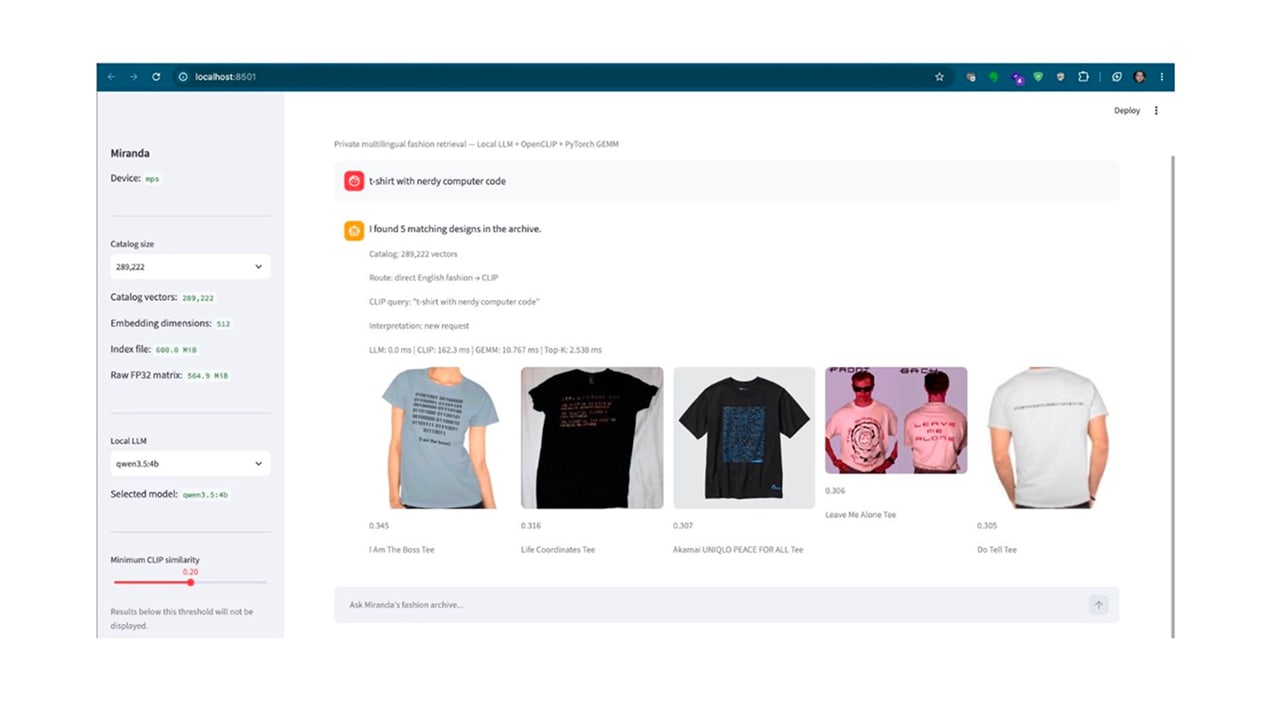
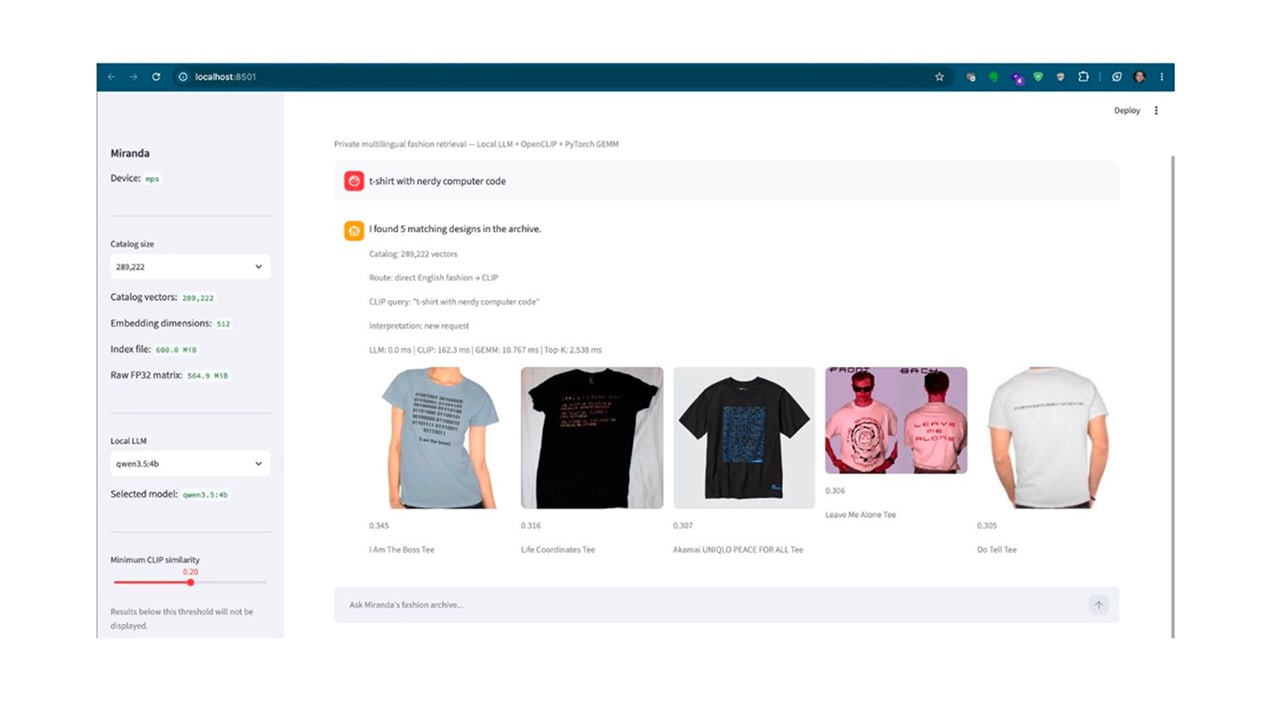
I called it Miranda.