


Data from The State of AI Inference report reveals the architecture gap holding enterprises back
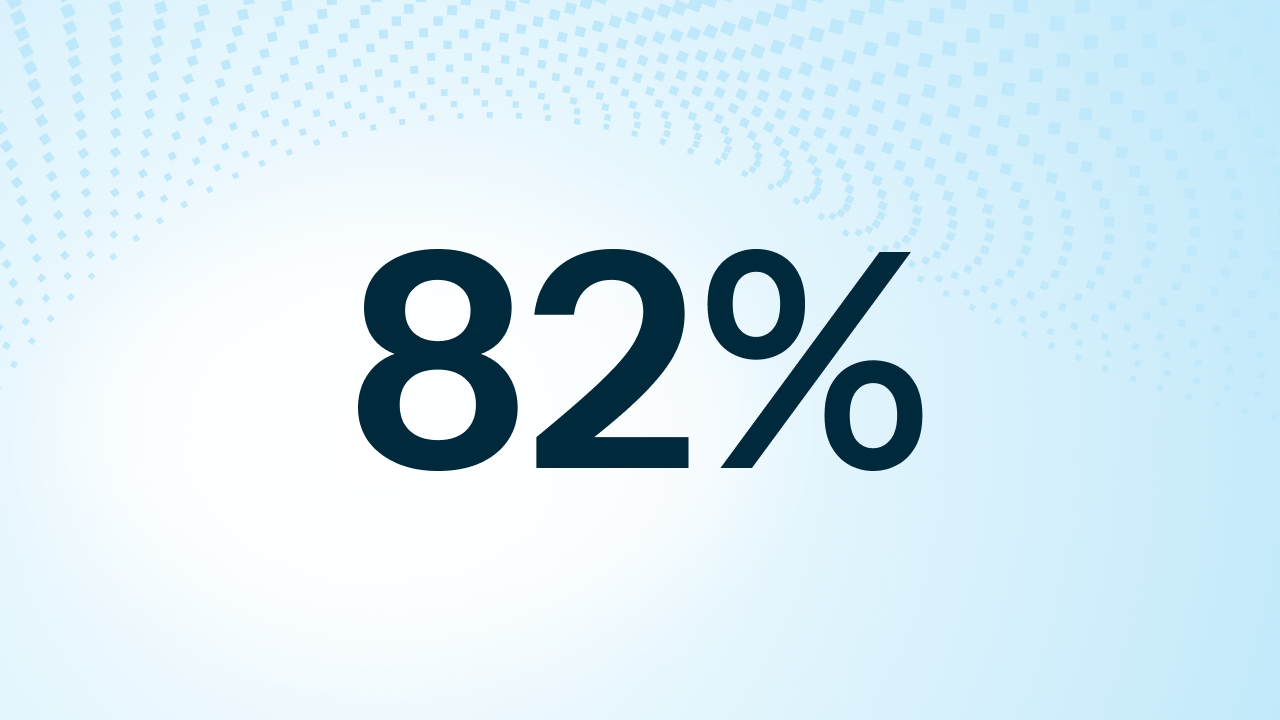
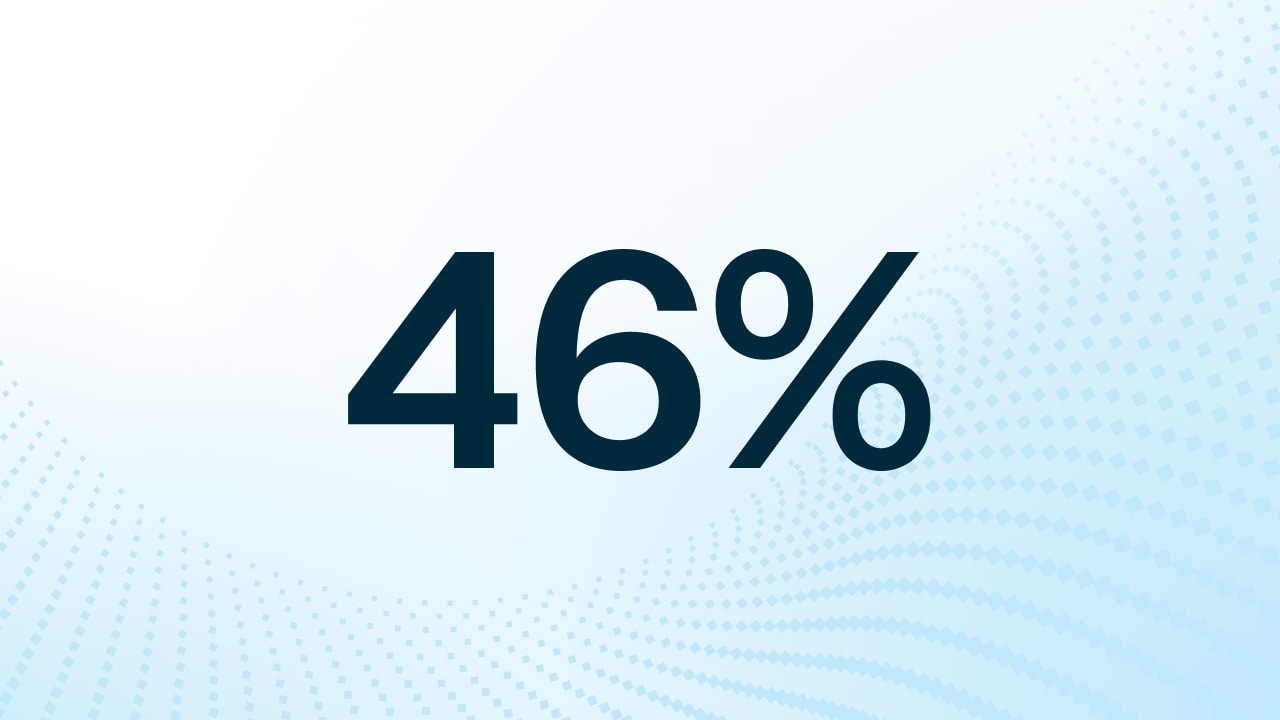
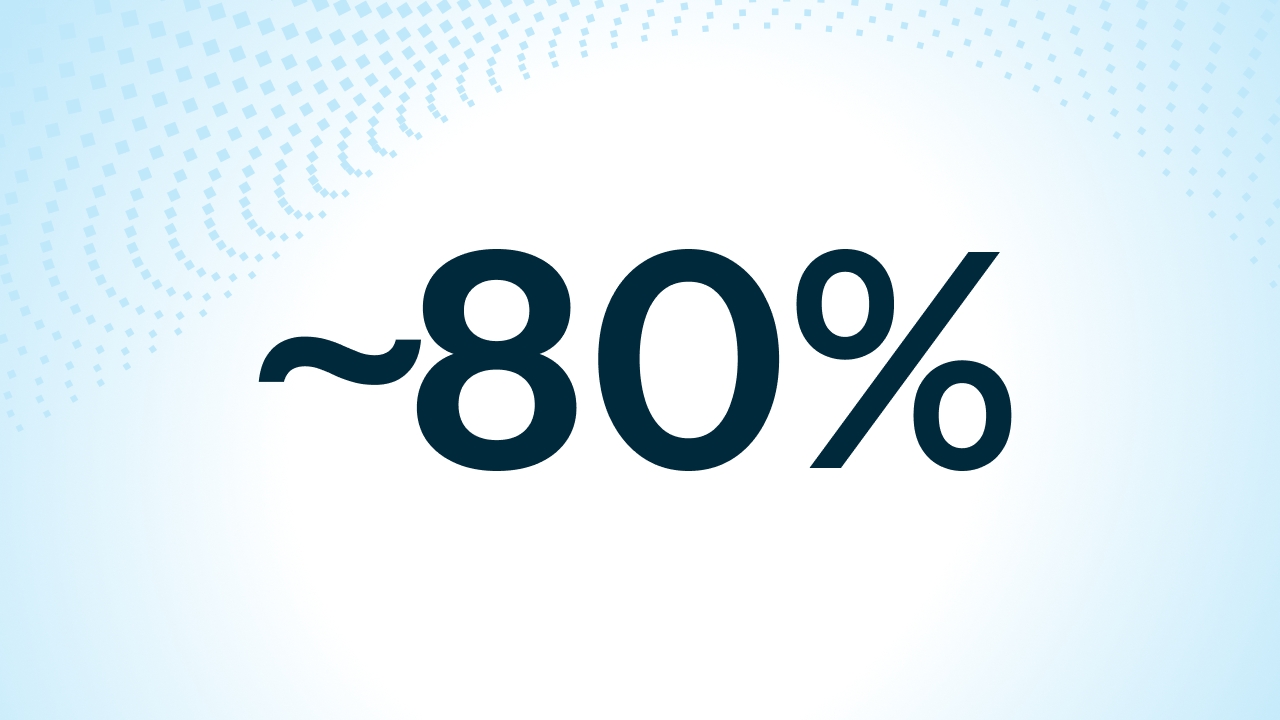
The edge of intelligence: Why centralized clouds can’t scale in the agentic AI era
Centralized clouds can’t scale for the internet of agents. Akamai exposes the wall facing legacy architecture, from stacking latency and hidden data-movement fees to shifting compute bottlenecks. Discover why real-time machine intelligence requires a fluid core-to-edge continuum.


Experts on the shift to distributed AI
Hear Akamai experts explain why AI workloads are moving out of centralized regions and closer to users, devices, and agents.
What does inference really cost once you model the whole bill?
Ari Weil, VP of Product Marketing and Cloud Strategy, breaks down the costs that sit outside the token price: the transfer fees charged every time a request crosses a zone or a cloud boundary, and the compute you pay for twice when you replicate a model to solve a distance problem.
Which metrics actually decide agentic AI performance in production?
Jon Alexander, SVP of Product for the Cloud Technology Group, explains why up to 90% of an agentic task runs off the GPU entirely, in tool calls and external API requests, and why the placement of that CPU work decides end-to-end latency.
How does a compute continuum work from core to edge?
Jon Alexander maps the continuum in practice: Large models stay in centralized clusters, agents and their tools run close to users, and an orchestration layer schedules the handoffs between them. He also lays out a crawl-walk-run path for teams already committed to a single region.
The State of AI Inference
See why the gap between real-time AI requirements and centralized infrastructure is pushing teams toward distributed inference.

Let’s talk AI
Fill out the form to:
- See where latency and egress are quietly costing you today
- Learn how to route your requests to the right tier
- Explore which workloads move to the edge first