What Is Application Security in Cloud Computing?

As organizations continue to migrate applications and data to cloud environments, application security has become a business-critical priority.

Application security in cloud computing combines processes, tools, and practices designed to specifically protect cloud native applications and cloud-based applications against threats like unauthorized access, data breaches, and other cyberattacks. Cloud application security is crucial both for protecting sensitive data in the cloud and maintaining the availability of essential cloud applications.

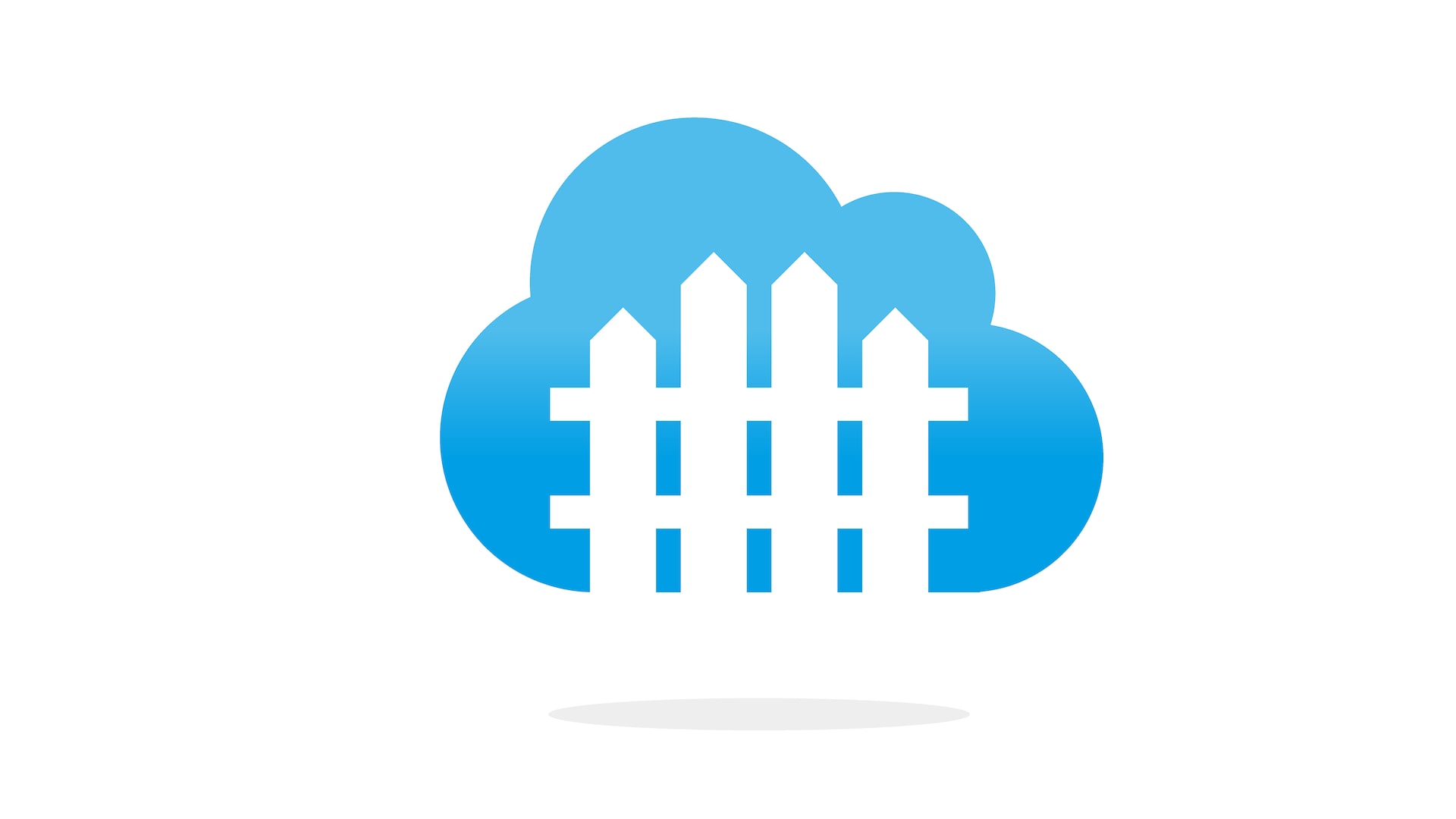
Illustration of a cloud behind a fence.

The need for application security in cloud computing

Organizations today are realizing enormous benefits from cloud applications. While these cloud-based software solutions offer tremendous scalability, flexibility, and cost-effectiveness, they also expose data and infrastructure to new security risks and challenges.

As they expand at an exponential pace, cloud environments present a larger attack surface than traditional on-premises infrastructure, providing cybercriminals with more potential targets. Cloud applications are accessible over the internet, making them ‌more vulnerable to threats like hacking, phishing, and malware. The dynamic and scalable nature of cloud environments introduces additional security risks like misconfigurations and insecure APIs. This allows attackers to exploit vulnerabilities in cloud components, or to take advantage of the security gaps created when application security falls through the gap created by the shared security model in cloud computing.

Application security in cloud computing enables organizations to:

  • Protect sensitive data that is processed and stored by cloud-based applications and cloud native apps
  • Secure APIs and other points of integration
  • Ensure that applications and the data they process follow a variety of regulatory standards

How application security in cloud computing works

Cloud application security extends beyond ‌traditional strategies for securing on-premises applications. To address the unique challenges posed by distributed, scalable, and often multi-tenant cloud infrastructure, app security focuses on securing cloud infrastructure, APIs, and data storage systems in addition to application code.

At its core, application security in cloud computing works by identifying and mitigating vulnerabilities in applications, enforcing access controls, encrypting sensitive data, and monitoring environments for potential security threats. Leveraging automation and advanced analytics, application security solutions detect and respond to security incidents in real time, adapting to the dynamic nature of cloud environments.

The most serious threats to cloud applications

Application security in cloud computing is designed to protect organizations from a growing landscape of threats. The most common threats to application security include:

  • Data breaches: Data breaches occur when unauthorized individuals gain access to sensitive, protected, or confidential data within cloud applications. This can lead to data loss, financial damage, legal repercussions, and loss of customer trust.
  • Insecure APIs: APIs are often susceptible to attack because of insufficient security measures. By targeting security gaps or vulnerabilities in APIs, attackers may steal data, manipulate services, or gain unauthorized access to cloud resources.
  • Misconfigurations: Misconfigurations in cloud applications, such as leaving storage buckets open to the public or failing to set proper access controls, can expose sensitive data and resources. These errors can be exploited by attackers to gain unauthorized access to IT environments, leading to data breaches and other security incidents.
  • Distributed denial-of-service (DDoS) attacks: DDoS attacks overwhelm a cloud application with a massive volume of traffic or requests, disrupting its ability to operate normally. This can render applications and services inaccessible to legitimate users, resulting in financial losses and loss of business.
  • Unauthorized access: Unauthorized access occurs when individuals gain entry to cloud applications without proper authentication or permissions. This can be a result of weak passwords, lack of multi-factor authentication (MFA), or compromised credentials.
  • Malware and ransomware: Malware and ransomware are malicious software programs that infiltrate cloud applications to steal data, disrupt operations, or hold data hostage for ransom. These attacks can lead to significant downtime, data loss, and financial damage if not promptly and effectively mitigated.
  • Insider threats: When individuals within an organization misuse their authorized access to cloud applications, they may be able to steal data or launch cyberattacks.

The challenges of securing cloud applications

Securing applications in cloud environments presents IT teams with unique challenges that must be addressed to achieve a robust security posture.

  • Complexity of hybrid and multicloud environments: Cloud applications run in environments that often comprise a vast network of interconnected services and configurations, making them inherently complex. To mitigate this complexity, IT teams need robust security measures and automated orchestration to prevent vulnerabilities and ensure data protection.
  • Dynamic nature of the cloud: The cloud is a highly dynamic environment, with rapid changes in resource allocation, scaling, and deployment. To secure applications in these constantly evolving environments, teams need adaptive security measures that can address new vulnerabilities and maintain protection against threats.
  • Shared responsibility model: In the cloud, security responsibilities are divided between the cloud services provider (CSP) and the customer. Responsibility for application security falls either to the CSP or the customer in different service models. For example, customers are responsible for application security in infrastructure as a service (IaaS) solutions and platform as a service (PaaS) offerings, while CSPs are responsible for application security in software as a service (SaaS) platforms. Understanding and properly implementing this shared responsibility model for public cloud services is crucial to ensuring that both parties fulfill their roles in protecting data and applications.
  • Lack of visibility: Cloud environments can obscure visibility into applications, data, and processes, making it difficult to monitor and manage cybersecurity effectively. Without clear visibility, detecting anomalies, security breaches, and ensuring compliance becomes challenging.
  • Technological evolution: The cloud landscape evolves rapidly, with continuous advancements in technology and services. Keeping up with these changes requires ongoing education and adaptation of security practices to address emerging threats to application security.
  • Cloud native technology: Cloud native applications and microservices architectures introduce unique security challenges, such as securing inter-service communications and managing decentralized security controls.

The components of application security in cloud computing

To achieve application security in cloud computing, IT teams may deploy multiple levels of technology, processes, practices, and cloud security solutions.

  • Identity and access management (IAM): IAM manages users’ identities and controls their access to cloud applications, ensuring that only authorized individuals have the necessary permissions.
  • Data encryption: Data encryption protects sensitive information within cloud applications by converting it into unreadable code, both in transit and at rest. This ensures that even if data is intercepted or accessed without authorization, it remains secure and unreadable without the proper decryption keys.
  • Web application firewalls (WAFs): WAFs protect web applications by filtering and monitoring HTTP traffic between a web application and the internet. They help defend against common web exploits such as SQL injection, cross-site scripting (XSS), and other application-layer attacks.
  • Web application and API protection (WAAP): WAAP solutions inspect and analyze incoming traffic in real time to prevent a wide variety of cyberthreats.
  • Runtime application self-protection (RASP): RASP is a security technology that monitors and protects applications in real time by detecting and blocking threats during runtime. It integrates with the application to provide continuous protection against vulnerabilities and attacks.
  • Cloud workload protection platforms (CWPP): CWPPs provide security measures specifically designed for protecting workloads running in cloud applications. They offer features such as vulnerability management, system integrity monitoring, and runtime protection.
  • API security: API security helps to secure APIs from threats and vulnerabilities through proper authentication, authorization, and encryption.
  • Container and Kubernetes security: Security for containers and Kubernetes involves protecting the containerized applications and the orchestration platform from vulnerabilities. This includes image scanning, runtime security, and securing communication between containers.
  • Serverless security: Serverless security focuses on securing function as a service (FaaS) environments, addressing challenges unique to serverless architectures such as ephemeral functions, event-driven triggers, and the shared responsibility model.
  • Cloud access security brokers (CASB): CASBs act as intermediaries between cloud service users and providers, enforcing security policies and providing visibility into cloud application usage. They help manage data protection, compliance, and threat detection across cloud services.

Best practices for application security in the cloud

Best practices for application security in cloud computing focus on proactive security measures, continuous monitoring, and rapid response to potential threats.

  • Strong identity and access management policies: Implementing robust IAM policies helps control who can access your applications and resources to prevent unauthorized access and reduce the risk of insider threats.
  • Assessments and security testing: Conducting regular security assessments, audits, and penetration testing helps discover and mitigate vulnerabilities within your applications before they can be exploited by hackers.
  • Continuous monitoring and threat detection: Keeping a constant watch on application activities allows teams to detect and respond to suspicious behavior in real time.
  • Integrating security into DevOps: Incorporating security into DevOps practices ensures that security measures are applied consistently throughout the software development lifecycle. This helps catch and fix security issues early and improves the overall security posture of applications.
  • Adopt a Zero Trust security model: Zero Trust security assumes that every request for access may be suspicious and requires entities to continually be authenticated and authorized. This minimizes the risk of unauthorized access and ensures that applications are protected from threats within and outside the network.
  • Logging and monitoring: Comprehensive logging and monitoring provide detailed insights into application activities, helping to detect and investigate security incidents.
  • Patches and updates: Regularly updating and patching systems and applications addresses known vulnerabilities and security flaws, protecting applications from exploits that target outdated software.

Frequently Asked Questions

Cloud application security involves the measures, practices, security strategies, and security best practices used to protect applications running in cloud environments from various cyberthreats and vulnerabilities.

Cloud service providers like Akamai Cloud offer built-in security tools and services, such as IAM, data encryption, firewalls, and monitoring systems, to help to secure cloud apps and infrastructure.

Cloud native application security addresses the unique challenges of applications built specifically for cloud environments, often using microservices architectures and containerization. It requires different tools and approaches compared to traditional monolithic application security.

Why customers choose Akamai

Akamai is the cybersecurity and cloud computing company that powers and protects business online. Our market-leading security solutions, superior threat intelligence, and global operations team provide defense in depth to safeguard enterprise data and applications everywhere. Akamai’s full-stack cloud computing solutions deliver performance and affordability on the world’s most distributed platform. Global enterprises trust Akamai to provide the industry-leading reliability, scale, and expertise they need to grow their business with confidence.
Related Blog Posts

Increase Performance, Decrease Costs with a Flexible Distributed Cloud
Learn why industry leaders say that building and deploying applications across a flexible cloud will pay dividends in optimized performance and lower cost.
Media IT Leaders Say Distributed Cloud Will Boost Performance, Lower Cost
Building and deploying applications across a distributed cloud pays dividends in performance, latency, and cost. Read about what industry leaders have to say.
A Distributed Cloud Platform Is a Priority for Gaming IT Leaders
Gaming industry leaders say that building and deploying applications across the cloud continuum will improve performance, lower latency, and lower cost.

Ready to get started or have questions?

Set up your free account today or contact a sales consultant to learn more.